
Is Your Dog Ignoring You? Here’s Why
One of the most common frustrations dog owners experience is feeling like their dog simply doesn’t listen.
You call their name… nothing.
You ask them to sit… they stare at you.
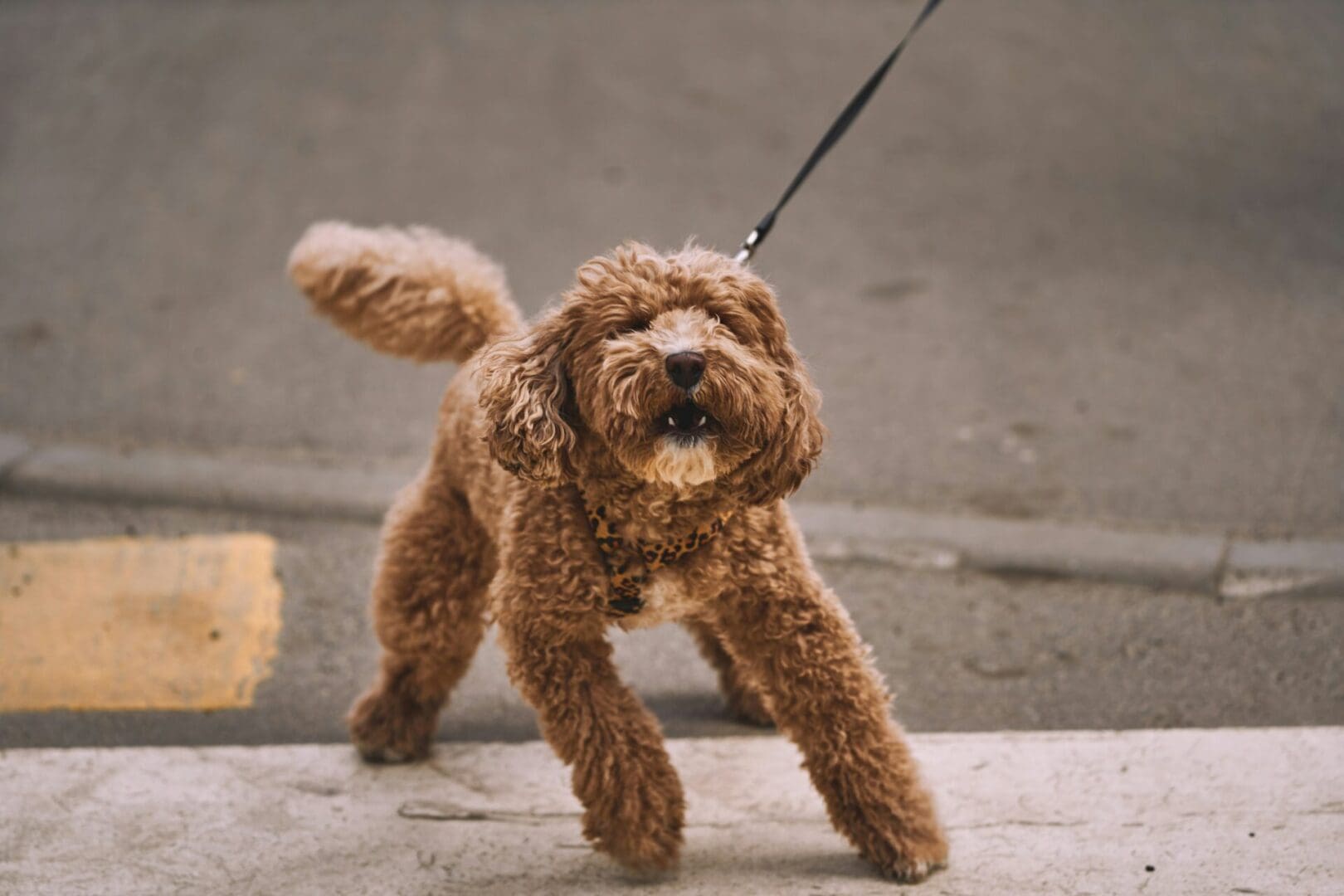
You try to redirect them during a walk… and they completely ignore you.
It’s easy to assume your dog is being stubborn, dominant, or purposely difficult—but in most cases, that’s not actually what’s happening.
More often than not, a dog that ignores commands simply lacks the clarity, consistency, and structure that obedience training provides.
And the good news? That can absolutely be improved.
Why Dogs Don’t Automatically Understand Expectations
Dogs aren’t born understanding:
- Household rules
- Human communication
- Boundaries
- Appropriate behavior in every environment
These skills have to be taught.
Without training, dogs often:
- Make decisions based on impulse
- Follow distractions instead of guidance
- Repeat behaviors that reward them
This isn’t defiance—it’s a lack of understanding.
The Difference Between Knowing a Command and Understanding It
Many dogs technically “know” commands inside the house but struggle everywhere else.
For example:
- Your dog sits perfectly in the kitchen
- But ignores “sit” outside
- Or stops responding around people or other dogs
This usually means the behavior hasn’t been fully reinforced in real-life situations.
Obedience training helps dogs generalize behaviors beyond one environment.
Signs Your Dog May Need Obedience Training
1. Your Dog Only Listens When They Feel Like It
If your dog responds inconsistently, they likely need:
- More structure
- Clearer expectations
- Better follow-through
2. Commands Fall Apart Around Distractions
A dog that ignores you around:
- Other dogs
- Visitors
- Sounds
- New places
…may struggle with focus and engagement.
3. Your Dog Pulls You Through Daily Life
If walks, greetings, or routines feel chaotic, obedience training can help create better communication and control.
Why Obedience Training Builds Confidence
Training isn’t just about obedience—it’s about clarity.
Dogs feel more secure when they understand:
- What’s expected
- How to succeed
- How to navigate the world calmly
Structure reduces confusion and anxiety.
Common Mistakes Owners Make
Many owners unintentionally:
- Repeat commands too often
- Give inconsistent follow-through
- Only train occasionally
Dogs learn through repetition and consistency—not occasional reminders.
How Training Improves Everyday Life
When dogs understand expectations, daily life becomes smoother:
- Walks improve
- Greetings become calmer
- Stress decreases
- Communication strengthens
Training creates teamwork.
Final Thoughts
If your dog seems to ignore you often, it doesn’t mean they’re bad—it usually means they need clearer guidance.
Obedience training helps dogs:
- Focus
- Respond reliably
- Build confidence
- Navigate life more successfully
And those skills improve far more than just commands.