by Offleash K9 Trainer Alex | Oct 7, 2026 | Albany Dog Trainer
A dirty dog bed can contribute to an unhealthy sleeping environment, but it does not automatically make your dog sick. Bedding can collect hair, dirt, moisture, and allergens. Keeping it clean is sensible care; blaming it for every rash or sneeze can delay finding the...
by OLK9Alex | Jul 13, 2026 | Albany Dog Trainer
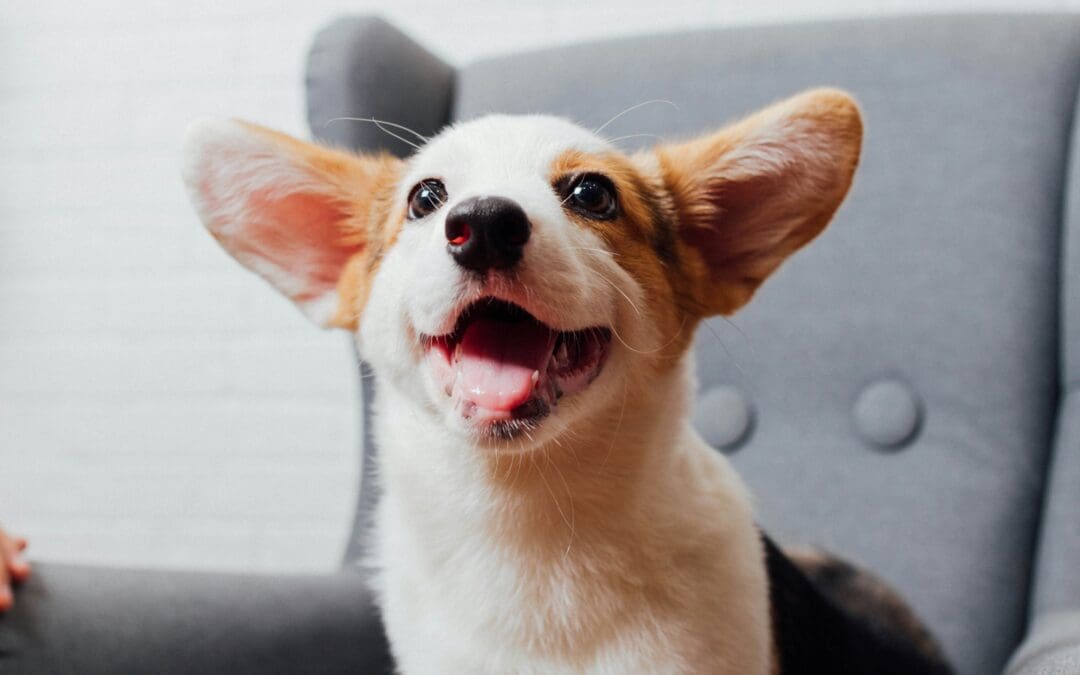
Bringing home a new puppy is an exciting experience filled with firsts—first walks, first toys, first naps, and plenty of adorable moments. Along with all that excitement comes an important responsibility: teaching your puppy how to successfully navigate the world...
by Offleash K9 Trainer Alex | Jul 3, 2026 | Albany Dog Trainer
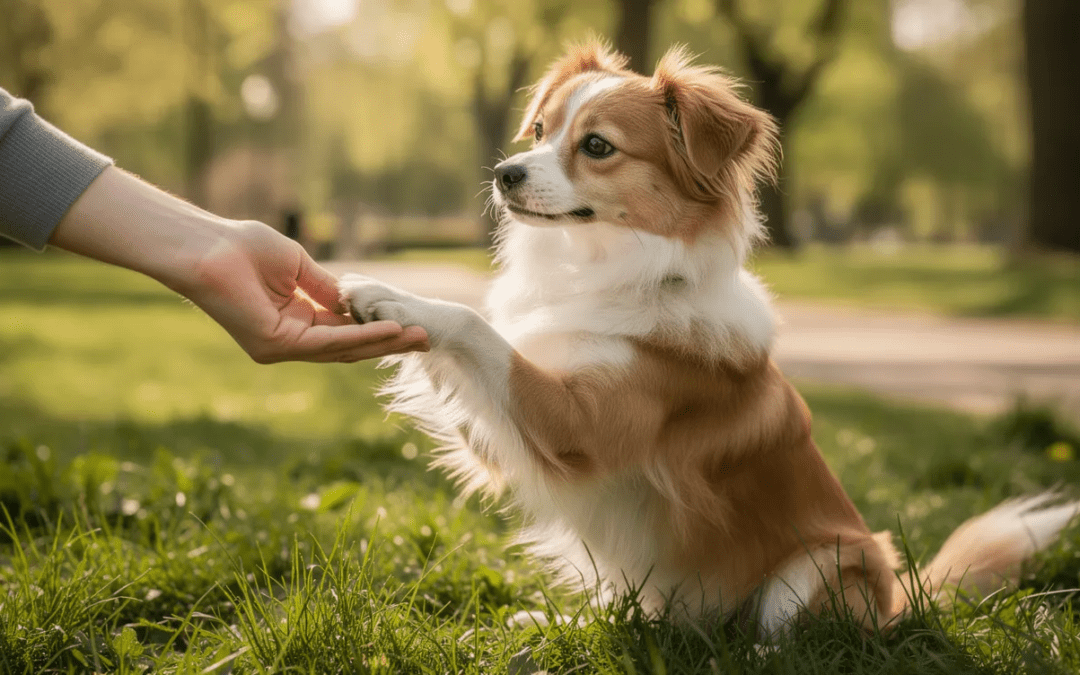
Bringing a new puppy home is exciting, but the first few weeks often come with a lot of cleanup. Accidents on the rug, confusion about when to go outside, and inconsistent results are normal parts of the process. The good news is that learning how to potty train a...
by Offleash K9 Trainer Alex | Jul 3, 2026 | Albany Dog Trainer
Bringing home a new puppy is exciting, but it can also feel like a lot to figure out at once. Between potty breaks, naps, chewing, and those first few commands, it helps to know what to focus on and when. A clear puppy training schedule takes the guesswork out of...
by OLK9Alex | Jun 29, 2026 | Albany Dog Trainer
Why Play Is Essential for Your Dog’s Physical and Mental Health When most people think about dog training, they picture teaching commands like “sit,” “stay,” or “come.” While those skills are incredibly important,...
by Offleash K9 Trainer Alex | Jun 18, 2026 | Albany Dog Trainer
Key TakeawaysTrick training for dogs goes beyond cute trick performances. It builds focus, confidence, and everyday manners through structured, reward-based learning.Simple dog tricks like spin, paw, touch, crawl, sit pretty, and play dead can support better dog...