
Communication Beyond Commands
Many people believe communication with dogs begins and ends with commands like sit, stay, or come. While cues are useful, they represent only a small piece of how dogs truly communicate. Real communication is a two-way exchange built on observation, timing, tone, and emotional awareness.
When we learn to understand how dogs express themselves naturally, our relationships become more cooperative and less frustrating.
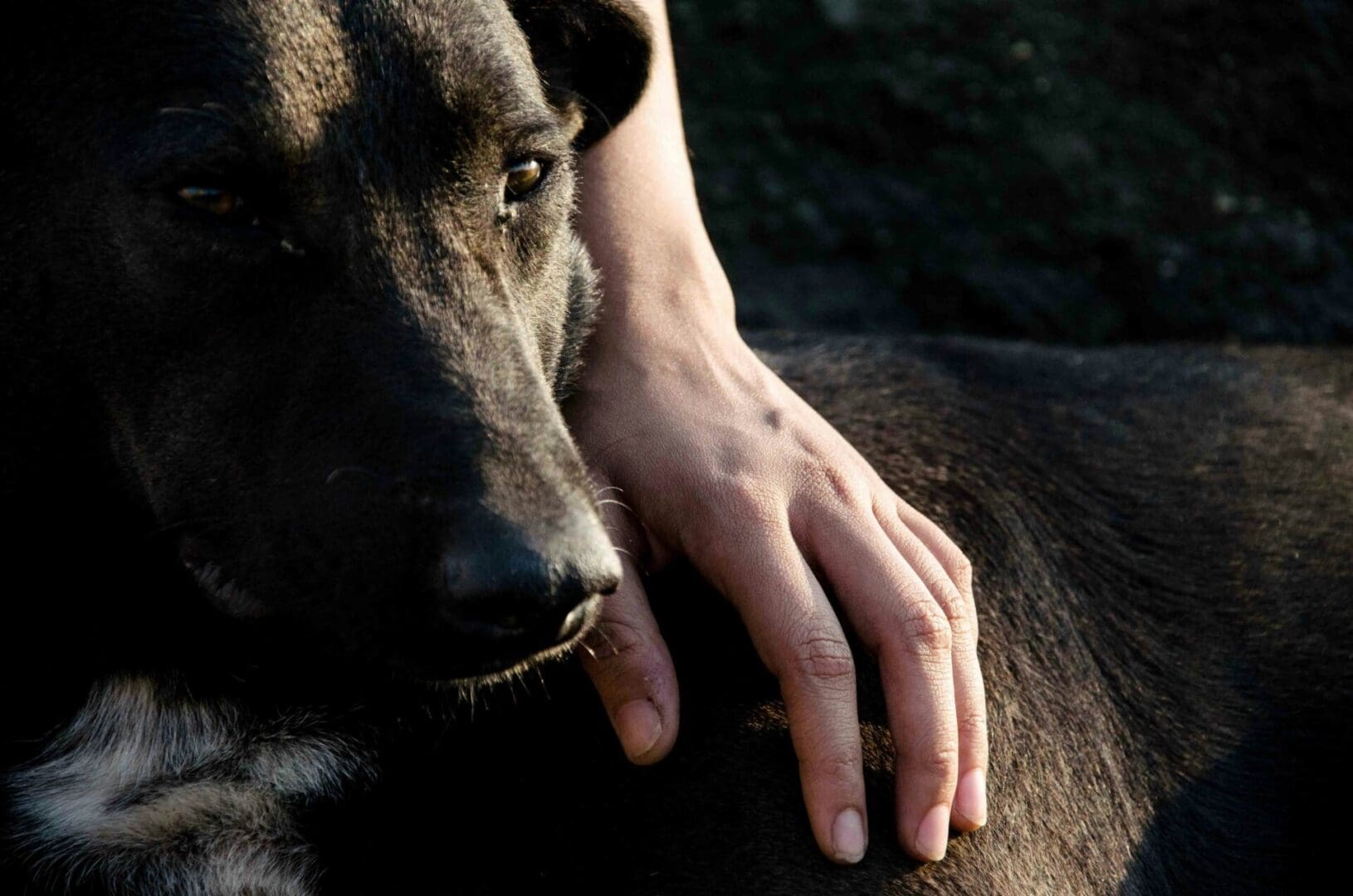
How Dogs Naturally Communicate
Dogs rely heavily on body language, facial expressions, and movement. They are constantly sending signals about how they feel.
Common forms of canine communication include:
-
Tail position and movement
-
Ear posture
-
Eye contact or avoidance
-
Body tension or relaxation
-
Vocalizations
Learning to notice these signals helps you respond appropriately and build trust.
Subtle Signals Are Often the Most Important
Dogs usually communicate discomfort subtly before escalating.
Signs of mild stress:
-
Lip licking
-
Yawning
-
Turning away
-
Slowing down
When these signals are ignored, dogs may feel forced to escalate. Recognizing early cues prevents misunderstandings and strengthens communication.
Tone and Timing Matter More Than Words
Dogs don’t understand language the way humans do—they respond to tone, rhythm, and timing.
Effective communication involves:
-
Calm, steady tones
-
Immediate feedback
-
Clear emotional signals
A relaxed tone reassures dogs, while erratic or tense tones can increase anxiety.
Listening to Your Dog Builds Trust
Communication isn’t just about speaking—it’s about listening.
Listening looks like:
-
Respecting when your dog walks away
-
Giving space when they’re overwhelmed
-
Advocating for them in social settings
-
Adjusting expectations when they’re struggling
Dogs who feel heard are more confident and connected.
Why Commands Can Break Down Without Understanding
Even well-trained dogs may “ignore” commands when they’re stressed, distracted, or unsure.
Instead of assuming disobedience, consider:
-
Emotional state
-
Environment
-
Clarity of expectations
-
Past experiences
Understanding context leads to better responses.
Using Communication to Prevent Behavioral Issues
Many behavioral challenges stem from miscommunication.
Common examples:
-
Reactivity due to fear
-
Avoidance mistaken for stubbornness
-
Overexcitement misread as aggression
Clear communication helps address the root cause rather than the symptom.
Encouraging Open Communication Through Choice
When dogs are allowed to choose, they communicate more honestly.
Choice-based communication:
-
Builds confidence
-
Reduces stress
-
Encourages cooperation
-
Strengthens trust
Letting dogs opt in or out improves emotional safety.
Strengthening Communication Through Daily Life
You don’t need special training sessions to improve communication.
Opportunities exist in:
-
Walks
-
Playtime
-
Feeding routines
-
Rest periods
Being present and observant turns everyday moments into connection.
Communication Is a Skill You Build Together
Communication with your dog is not about perfection—it’s about growth. As you learn your dog’s signals, your dog learns that you are attentive and reliable.
Over time, this mutual understanding deepens your bond and transforms how you experience life together.