
Matching Dog Energy Levels to Your Lifestyle
Choosing a dog that fits your activity level starts with an honest look at your everyday routine. Breed tendencies help you make a shortlist, but an individual dog’s age, health, temperament, and behavior matter just as much. The best match is a dog whose needs you can consistently meet.
Before you fall for a puppy photo or an athletic breed, consider the walks, play, training, and companionship you can provide on an ordinary weekday. Matching dog energy levels to your lifestyle means planning for the life you actually live, including busy days and changing schedules.

Start With Your Routine
Write down what a typical week looks like. Include work hours, family responsibilities, exercise habits, and the time you spend away from home. Then ask yourself:
- How much time can I reliably give to walks and interactive play?
- Do I enjoy teaching skills and providing mental enrichment?
- Who will handle feeding, bathroom breaks, grooming, and training?
- Can I comfortably manage the dog’s expected adult size and strength?
- What help is available when work, travel, or illness interrupts our routine?
A weekend hike does not describe your whole lifestyle. Look at what you can sustain throughout the week. The AVMA’s guidance on selecting a dog encourages owners to consider daily care commitments before choosing a companion.
Understand Different Activity Needs
Higher-Energy Dogs
Border Collies and Australian Shepherds are examples of active herding breeds that often need substantial physical activity and mental engagement. Enjoying long walks is only part of the commitment; structured activities and training can also provide outlets for their working tendencies.
These dogs may suit owners who enjoy daily involvement, learning together, and purposeful activities. Avoid choosing a demanding breed solely because you hope it will motivate you to become more active.
Moderate Activity Needs
For a household that enjoys regular walks and play followed by downtime, look for an individual dog whose observed routine matches that pattern. An adult dog living in a foster home may offer useful information about activity and settling behavior.
Be careful with broad breed labels. Standard Poodles are active dogs, and Beagles also need meaningful daily exercise. Neither should automatically be presented as an easy choice for a household with little time for activity.
Lower Activity Needs
Companion breeds such as Shih Tzus may be worth considering for a gentler pace. A calmer adult dog may also fit, depending on the individual. Lower activity needs still involve daily movement, play, interaction, and care.
Do not confuse quiet behavior with good health or assume a dog that appears tired needs no exercise. Ask a veterinarian about suitable activities when health or mobility affects the decision.
Evaluate the Individual Dog
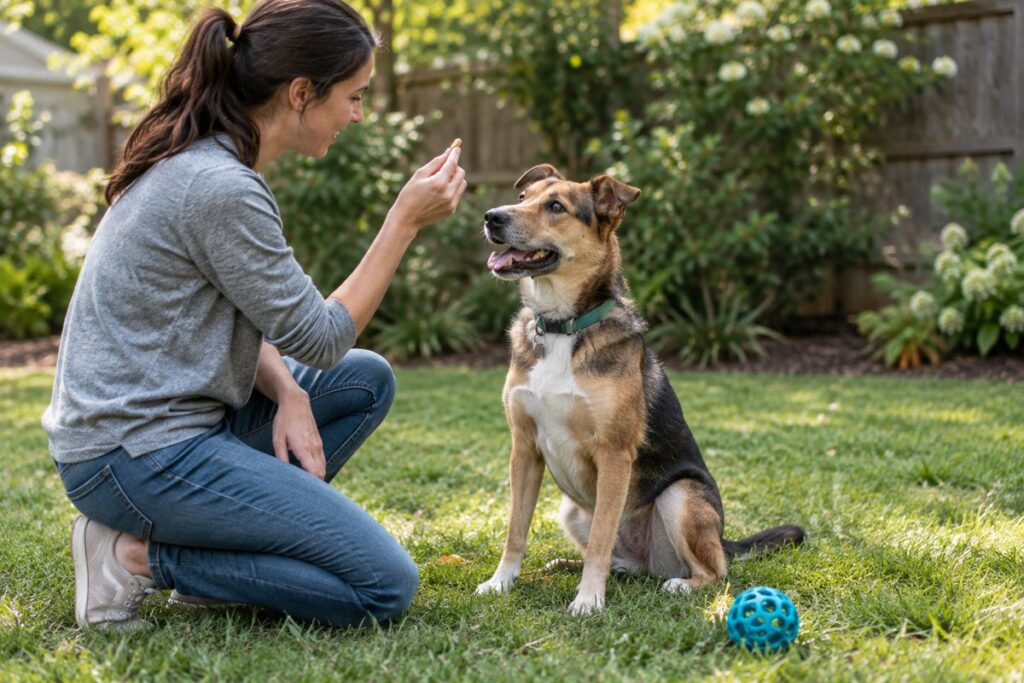
Breed information describes tendencies, not a guaranteed personality. Two dogs of the same breed can differ in enthusiasm, sensitivity, sociability, and ability to relax.
Ask the breeder, shelter staff, or foster caregiver about the dog’s normal day. What happens after a walk? How does the dog respond to visitors, other pets, and household noise? What activities does the dog enjoy? What support has helped with difficult situations?
Meet the dog more than once when possible. A short visit in an unfamiliar environment cannot reveal every aspect of life at home. If a rescue offers fostering before adoption, ask about its process and expectations.
Consider More Than Energy
Age and Life Stage
Puppies require frequent care and early learning, even when their breed is associated with a relaxed temperament. An adult dog’s size and established routines may be easier to assess. Older dogs still need interaction and suitable activity.
Our puppy training timeline explains early training priorities to consider before bringing a puppy home.
Household and Handling
Consider children, existing animals, noise levels, stairs, and housing restrictions. Small size does not automatically mean low energy, and a fenced yard does not replace time spent meeting a dog’s needs.
Grooming and Budget
Include coat care, food, veterinary care, training, and backup care in your plan. A dog can match your walking routine while requiring more grooming or handling than you expected.
Balance Exercise, Enrichment, and Training
Physical activity is one part of a sustainable routine. Sniffing, appropriate games, food puzzles, and learning skills can provide additional engagement. Explore our guide to the physical and mental benefits of play for ideas.
Training helps establish communication and everyday routines. It does not eliminate the need to meet a dog’s activity requirements. If barking, destruction, or restlessness persists, avoid assuming exercise alone will solve the problem; discuss the behavior with an appropriate professional.
Common Matching Mistakes
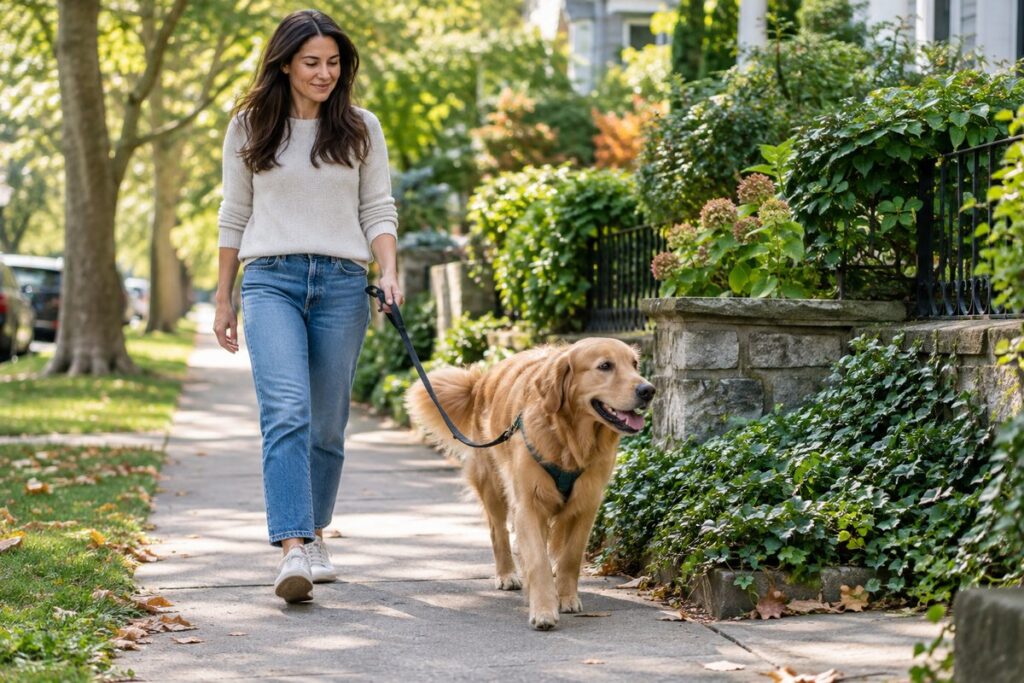
Avoid choosing based on looks alone, treating friendliness as proof of low energy, or assuming every dog will enjoy your favorite sport. Make a shortlist, then compare each candidate against the same household checklist. Ask about challenges as well as strengths. If your schedule cannot accommodate a dog’s needs, keep looking rather than counting on training to remove those needs. Planning honestly now helps you make a more informed commitment for the years ahead.
Frequently Asked Questions
How Much Exercise Should My Dog Get?
There is no single schedule for every dog. Age, health, breed tendencies, and individual responses influence suitable activity. Ask your veterinarian about physical limits and adjust your routine accordingly.
Can a Mixed-Breed Dog Be a Good Match?
Yes, a mixed-breed dog can fit your lifestyle well. Evaluate the dog’s observed behavior, daily routine, and care needs rather than relying on appearance to predict temperament or energy. Ask shelter staff or foster caregivers how the dog behaves at home.
Is an Adult Dog Easier Than a Puppy?
An adult may offer clearer information about size and current behavior, but can still need training and adjustment. Puppies require frequent supervision and help learning everyday routines. Compare the individual dog’s needs with your available time.
Does a Fenced Yard Replace Daily Walks?
A fenced yard can provide space for supervised activity, but it does not replace interaction, training, and opportunities to explore. Plan for walks, appropriate games, and mental engagement that suit your dog. Consider what you can consistently provide on busy weekdays.
Can Training Reduce a Dog’s Energy Level?
Training can help your dog learn manners, focus, and settling skills, but it does not eliminate their activity needs. Combine consistent practice with suitable exercise, enrichment, and rest. Avoid choosing a high-energy dog with the expectation that training will make them less demanding.
Support for Albany Dog Owners
Alex, co-owner and head trainer at Albany Off Leash K9 Training, has trained with OLK9 since 2014. Her work emphasizes trust, communication, and consistency. Read her trainer biography to learn more.
After choosing your dog, explore our obedience training programs for support with daily skills. Call (518) 788-9487 or contact our team to discuss training goals and suitable options.