
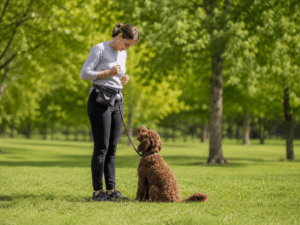
If you are wondering when to start puppy training, begin gentle, reward-based learning as soon as your puppy comes home, commonly around eight weeks old. Start with bathroom routines, name response, comfortable handling, and simple household habits. You do not need to wait for adolescence to teach everyday skills.
Training at this stage means clear communication and manageable practice, rather than demanding polished obedience. Keep sessions brief, meet physical needs, and adjust expectations to your puppy’s comfort and experience. Learning also happens during meals, play, rest, and bathroom trips.
This timeline provides planning stages, not deadlines every puppy must meet. Health, previous experiences, individual development, and your household routine affect progress. Your veterinarian can guide safe activities, while professional instruction can help you choose suitable exercises.
Here is what you will learn:
- What to begin during the first days at home.
- How training priorities change across puppyhood.
- Ways to balance socialization and health precautions.
- Signs that practice needs simplifying.
- When to seek individualized support.
When to Start Puppy Training and What That Means
Begin With Everyday Learning
Your puppy starts learning about the household immediately. Consistent bathroom access, comfortable resting areas, and predictable responses help establish the first routine.
Reward behaviors you want repeated, such as approaching you or choosing an appropriate toy. Prevent access to hazards and unwanted opportunities. Management makes learning easier without expecting an untrained puppy to make reliable choices independently.
Formal Lessons Are a Separate Decision
At-home learning can begin before your puppy is eligible for a particular class or program. Providers may have age, health, and vaccination requirements that differ from general developmental guidance.
Ask what the instruction includes and whether the setup suits your puppy. A program’s starting age does not mean you should postpone basic routines until then. It also does not establish that every puppy is ready for the same environment.
Keep the First Exercises Simple
VCA’s puppy training guidance describes early learning and emphasizes avoiding overwhelming puppies. Begin with small actions your puppy can perform comfortably.
A brief head turn toward you can be a useful first response. A short visit to a resting mat may be enough for another exercise. Build those actions before adding duration or distractions.
Before Your Puppy Comes Home
Choose the intended bathroom area, sleeping arrangement, and supervised living space. Prepare gates or a safe pen, suitable rewards, cleaning supplies, and appropriate toys.
Agree on words the household will use. If one person says “down” for lying down and another means getting off furniture, instruction becomes confusing. Choose consistent cues and expectations.
Arrange veterinary care and discuss local disease precautions. Ask about vaccinations, parasite prevention, safe social contact, and any health concerns affecting activity. Keep provider requirements separate from your veterinarian’s individual recommendations.
Plan supervision during work and household responsibilities. A young puppy needs timely bathroom help and cannot manage an entire day alone simply because a crate is available. Assign caregivers before gaps appear.
First Days at Home: Adjustment and Routine
Bathroom Opportunities
Offer trips after waking, eating, drinking, and active play, plus before bedtime. Add opportunities between these events according to your puppy’s observed needs.
Accompany your puppy and reward appropriate toileting promptly. Record outings and accidents so you can improve timing. Avoid punishing mistakes or using age formulas as guarantees of holding ability.
Rest and Comfortable Confinement
Introduce a safe resting space gradually. Reward comfortable exploration and practice brief periods with you nearby. Keep the arrangement suitable for your puppy’s size and safety.
Do not use confinement to force extended holding or ignore persistent distress. A pen, gated area, or another management setup may be useful. Seek guidance when your puppy struggles to rest comfortably.
Name Response and Connection
Say your puppy’s name once during an easy moment and reward noticing you. Keep the interaction welcoming rather than repeating the name continuously.
Also reward voluntary approaches. These small exchanges begin communication without requiring a formal session. Allow exploration and rest between repetitions.
Around Eight to Twelve Weeks: Foundational Skills
Use this stage as a broad planning guide. A puppy arriving later can begin with the same easy foundations instead of being pushed into harder exercises to catch up.
Simple Commands
Introduce sit, a short return, and approaching a mat in quiet settings. Guide small actions and reward promptly. Avoid pressing your puppy into positions.
If you use a marker word or clicker, teach that it predicts a reward. Keep cue words separate from the marker. One requests the action; the other identifies success.
Mouthing and Appropriate Play
Keep suitable toys available and redirect play toward them. End or change interactions before they become too rough. Review sleep, activity, and excitement when mouthing increases.
Avoid wrestling hands away repeatedly or turning redirection into a chase. Puppies need clear alternatives and suitable management. Persistent painful biting or concerning behavior deserves professional assessment.
Gentle Handling and Equipment
Practice brief touches your puppy accepts comfortably, paired with rewards. Introduce grooming tools nearby before expecting a full grooming session.
Allow gradual exploration of a well-fitting harness and leash. Early leash control means safe, coordinated movement, rather than pulling your puppy through unfamiliar situations. Check equipment fit as growth changes it.
Early Socialization Without Waiting for Perfect Obedience
Socialization includes comfortable experiences with people, sounds, surfaces, handling, and everyday environments. It does not require greeting every dog or stranger.
The AVSAB puppy socialization statement emphasizes safe early experiences before the full vaccination series is complete. Work with your veterinarian to choose appropriate locations and contacts.
Begin at a distance your puppy can manage. Pair observations with enjoyable experiences and preserve the option to move away. Avoid crowded dog parks or uncontrolled contact with unknown animals.
If your puppy freezes, tries to escape, or repeatedly avoids the situation, reduce intensity or leave. Do not force them to remain until they stop reacting. Repeated fear calls for individualized guidance.
Around Three to Four Months: Build Consistency
Continue bathroom routines and familiar commands while introducing small changes. A known sit in another room is already a new learning opportunity.
Practice brief stays with you nearby and use a clear release cue. Increase duration before adding significant distance. Change one challenge at a time so you can identify what affects the response.
Reward a few comfortable leash steps in a quiet setting. Allow appropriate sniffing and breaks. Do not expect an entire walk to become a formal obedience exercise.
Rehearse greetings with one cooperative helper. Reward appropriate approaches before jumping becomes the main interaction. Quiet practice is a better starting point than a crowded gathering.
Around Four to Six Months: Practice in More Settings
As your veterinarian advises and your puppy’s comfort allows, introduce additional environments. Start with easier versions of familiar skills whenever the setting changes.
Shorten recall distance around mild distractions and maintain suitable equipment. Indoor success does not prove outdoor reliability. Avoid testing off-leash responses near traffic, wildlife, or unfamiliar dogs.
Build settling around ordinary household activity. Reward comfortable resting rather than expecting your puppy to remain motionless through every interruption. Calm behavior includes comfort and the ability to recover.
Continue safe social experiences even if early training appears successful. New details can change participation. Familiar skills still need practice alongside suitable management.
Adolescence and Beyond: Maintain the Foundation
Development does not end at six months. Dogs may become more interested in their surroundings, explore farther away, or struggle with tasks that seemed easier previously.
Cornell’s guidance on the teenage years emphasizes continued training and environmental management. Keep safe routines in place as your dog grows.
Return to manageable exercises when responses become inconsistent. Review distance, distractions, reward timing, and physical comfort. Avoid interpreting every change as an intentional challenge.
Continue dog obedience practice throughout adult life. A clear routine remains useful after the puppy stage, especially when households, schedules, or environments change. Maintenance is part of training rather than evidence that earlier learning failed.
Puppy Training Timeline Compared
| Stage | Useful priorities | Important expectation |
| Before arrival | Safe setup and caregiver planning | Prepare for supervision gaps |
| First days | Bathroom access, rest, connection | Allow adjustment and frequent breaks |
| Early puppyhood | Simple cues and gentle handling | Keep learning brief and comfortable |
| Growing puppy | Consistency across mild changes | Increase one challenge at a time |
| Adolescence | Continued practice and management | Revisit foundations when needed |
Use stages to match practice to readiness.
A Practical Daily Training Routine
Morning: Offer bathroom access, then capture a few easy responses during a calm moment. Keep rewards ready and avoid delaying urgent needs for commands.
Daytime: Use short learning opportunities around meals, play, and resting. Assign someone to supervise when household activities compete for attention.
Evening: Revisit one skill and record what happened. Choose a small adjustment for tomorrow rather than introducing several new tasks.
Allow plenty of rest and appropriate enrichment. Training should fit around your puppy’s needs, not replace them. Several clear repetitions can be more useful than a long session after attention fades.

Common Mistakes New Owners Can Avoid
Waiting Until Problems Become Established
Early guidance can clarify routines before frustration builds. Start simple training and management right away, and seek help when you need a clearer plan.
Demanding Too Much at Once
New places, longer duration, and stronger distractions create a harder task. Simplify when your puppy cannot respond. Repeatedly repeating yourself does not explain the missing step.
Expecting Socialization to Prevent Every Concern
Safe experiences support development without guaranteeing adult temperament. Anxiety, aggression, or reactivity may require individual assessment and veterinary involvement. Program suitability depends on your dog’s age, behavior, history, and needs. Consistent owner follow-through supports progress, and outcomes vary.
Comparing Your Puppy With Another Dog
Different starting histories and daily opportunities affect progress. Compare your puppy’s responses in similar situations. Discuss persistent difficulties instead of trying to match another owner’s timeline.
When Professional Guidance Can Help
The published Albany training options include the Clicker Training Program for puppies 8 weeks to 5 months old. It includes four weekly private lessons, approximately 30–45 minutes each, using a clicker and rewards to teach foundational commands.
Discuss your puppy’s age, health, current routine, and learning goals before choosing a program. Ask what you will practice between sessions and how the setup suits your puppy’s comfort.
Behavior training for significant fear or unsafe responses needs more than a general age recommendation. Seek help promptly rather than assuming your puppy will simply outgrow the concern. Sudden changes in movement or responsiveness also deserve veterinary advice.
Conclusion and Next Steps
Knowing when to start puppy training means beginning gentle learning when your puppy joins your home, then adjusting practice as development and experience change. Start with routines, brief cues, safe socialization, and clear rewards.
Use the timeline to organize priorities rather than impose deadlines. Observe progress, maintain supervision, and simplify difficult exercises. Consistent teaching helps your puppy understand daily life while respecting comfort and individual needs.
FAQ’s
Can I Train an Eight-Week-Old Puppy?
Yes, begin brief, reward-based learning and household routines. Choose easy actions and allow frequent rest. Avoid expecting sustained attention or polished obedience.
Should I Wait Until Vaccinations Are Complete?
You can begin training at home immediately. Ask your veterinarian about safe socialization opportunities before the vaccination series is complete. Public activities need precautions suited to local risk.
How Long Should Puppy Training Sessions Be?
Keep them brief enough for comfortable participation. A few useful repetitions may be sufficient initially. Stop or simplify when attention fades or your puppy seems concerned.
Is It Too Late to Start at Six Months?
No, puppies and older dogs can continue learning. Begin with foundations that match current experience. Avoid rushing harder tasks to compensate for a later start.
When Should I Ask a Trainer for Help?
Seek guidance when routines feel unclear, progress stalls, or handling becomes difficult. Persistent fear, distress, or unsafe behavior deserves prompt assessment. Ask about support suited to your puppy’s individual needs.
Before choosing a program, talk with a professional about your puppy’s training needs. Discuss which option fits your puppy’s age, current behavior, and training goals.