
If you have ever wondered, “Why does my dog want to lick me so much?” you are not alone. Dog licking is common, natural, and often friendly, but it can become frustrating when your canine companion is constantly licking your hands, legs, feet, or face.
This guide explains why dogs lick people, when licking may be excessive, and how owners can teach better manners with calm boundaries and dog obedience.
Key Takeaways
- Dogs lick to show affection, bond with owners, explore interesting tastes, and communicate with humans.
- Licking can be linked to attention seeking, habit, stress, excitement, anxiety, or separation anxiety.
- Excessive licking may indicate anxiety or health issues, especially if the dog’s behavior changes suddenly.
- Owners often reward unwanted licking by accident with eye contact, talking, petting, or negative attention.
- Calm boundaries and obedience cues such as Sit, Down, Place, and Recall can help reduce unwanted licking without damaging trust.

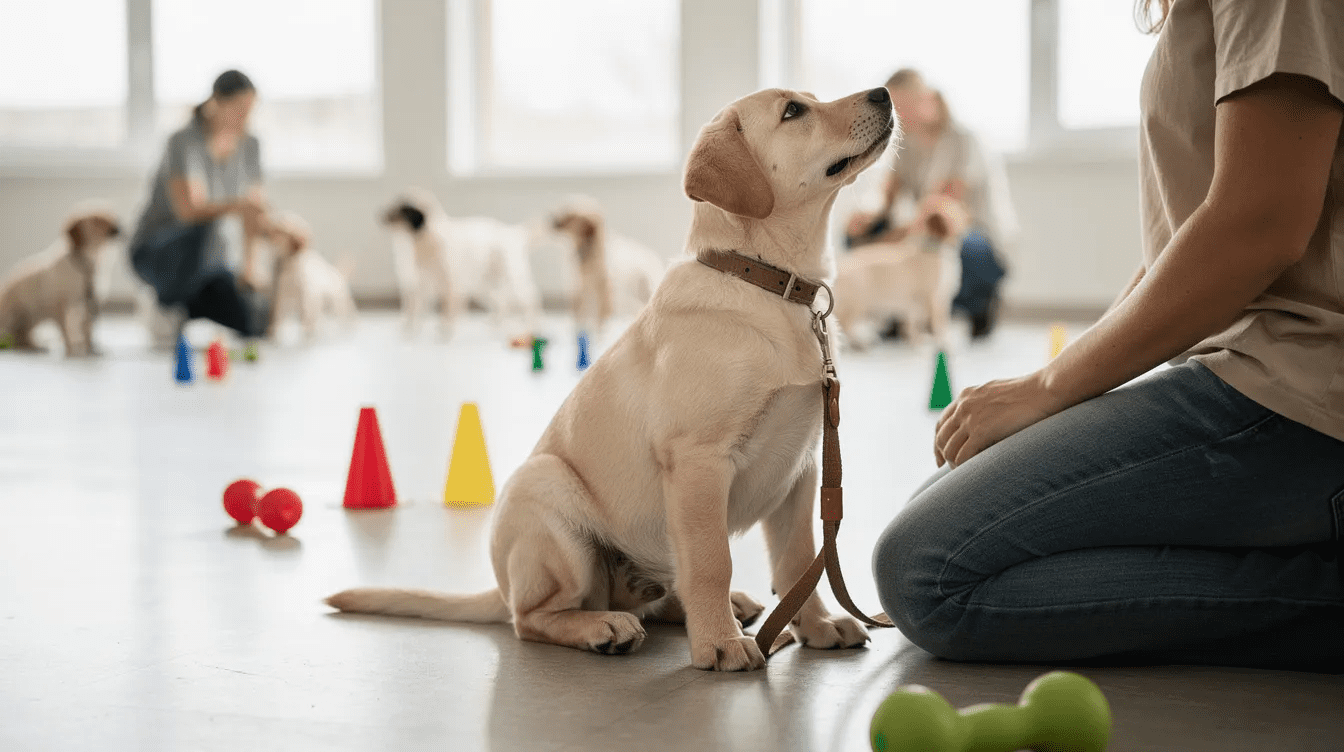
Why Does My Dog Want to Lick Me So Much?
The answer to “why does my dog want to lick me so much” is usually a mix of bonding, communication, comfort, attention, and exploration. Many dogs lick as a friendly social behavior, but licking can also happen because your dog likes a taste, wants attention, feels excited, or has learned that licking gets a response.
Licking is also an instinctive behavior. Puppies experience licking and grooming from their mothers, and young dogs may use licking as part of early social communication. Over time, a dog can carry that behavior into interactions with people, especially when licking leads to attention, comfort, or a familiar response.
Common reasons dogs lick include:
- Affection: A lick can be a sign of affection, submissive and friendly behavior, or a classic sign of appeasement in dogs.
- Attention: Dogs may lick you to get your attention or affection. If a dog starts licking and you laugh, talk, or pet them, they may seek attention that way again.
- Taste and smell: Sweat, food, skin products, and salt can taste good. Dogs lick to explore new tastes and smells in their environment.
- Habit: If family members allow licking sometimes, the dog may repeat the act as part of a routine.
- Emotion: Stress, excitement, anxiety, or overstimulation can increase licking. For some dogs, licking may become a self-soothing behavior, especially when they are unsure, bored, or struggling to settle.
Some dogs may respond to human distress with close contact, sniffing, nuzzling, or licking. In an exploratory 2012 study, dogs were more likely to approach people who pretended to cry than people who talked or hummed. Their responses sometimes included sniffing, nuzzling, and licking. The results suggest that dogs may respond to human distress signals, although the study did not prove that dogs understood the person’s emotions.
For example, your dog may lick your face during a greeting after work because they are excited. Another dog may lick your hands after dinner because your fingers smell like food and offer interesting tastes.
When Dog Licking Becomes Too Much
There is a difference between normal licking and excessive licking that feels overwhelming. Most people do not mind an occasional dog lick, but unwanted licking can become a problem if it disrupts rest, sleep, guests, or calm time.
Watch for these signs:
- Constant attempts to lick your face, hands, legs, or feet
- Whining, pawing, or pushing when you try to stop licking
- Repetitive licking that the dog cannot interrupt
- Licking that interferes with sleep, relaxation, or visitors
- A dog that seems unable to settle after greeting a person
Human-directed licking may be maintained by attention, excitement, boredom, stress, or inconsistent responses from family members. Meet your dog’s exercise and enrichment needs and build predictable routines around walks, meals, training, and rest, but do not rely on exercise alone when licking is sudden, repetitive, or difficult to interrupt.
Also, stay aware of medical red flags. Consult a vet if licking behavior changes suddenly. Excessive licking of a dog’s paws, skin, or body may indicate allergies, parasites, pain, irritation, infection, injury, or another medical condition. Excessive licking can lead to skin irritation or infection.
Contact your vet promptly if licking comes with other symptoms such as vomiting, limping, weight loss, swelling, bleeding, appetite changes, or severe distress. In some cases, repetitive licking can be connected to compulsive behavior or anxiety, but a veterinarian should help rule out pain, allergies, irritation, infection, or another medical cause first.
How to Set Calm Boundaries
Calm boundaries work better than punishment. Scolding can add stress, and some dogs will treat pushing, talking, or frustration as negative attention. That can accidentally reward the very behavior you want to reduce.
To discourage licking, avoid rewarding unwanted licking with eye contact, laughing, talking, petting, or pushing. Quietly stand up, turn away, or leave the room for a few seconds. When your dog stops licking and settles, reward the calmer choice with quiet praise, petting, or a simple cue they know.
Use this simple no-reward pattern:
- Dog licks.
- The owner calmly removes attention.
- The dog stops and keeps its four paws down.
- Owner rewards calm behavior with petting or a quiet “good.”
Consistency in training helps dogs learn acceptable licking levels. If you do not want dogs to lick your face, do not allow licking your face sometimes and block it other times. Ask family members and guests to follow the same rule.
You can also redirect dogs to lick appropriate items. Redirect licking by providing chew toys or food puzzles. A lick mat, stuffed food toy, or safe chew can help during evening TV time, when guests enter, or when your pet is overexcited.
If sweat, lotion, or scented products seem to trigger licking, wash the area or avoid using strong fragrances around your dog. Do not apply anything to your skin as a licking deterrent unless you know it is safe for dogs, since anything on your skin may end up in your dog’s mouth.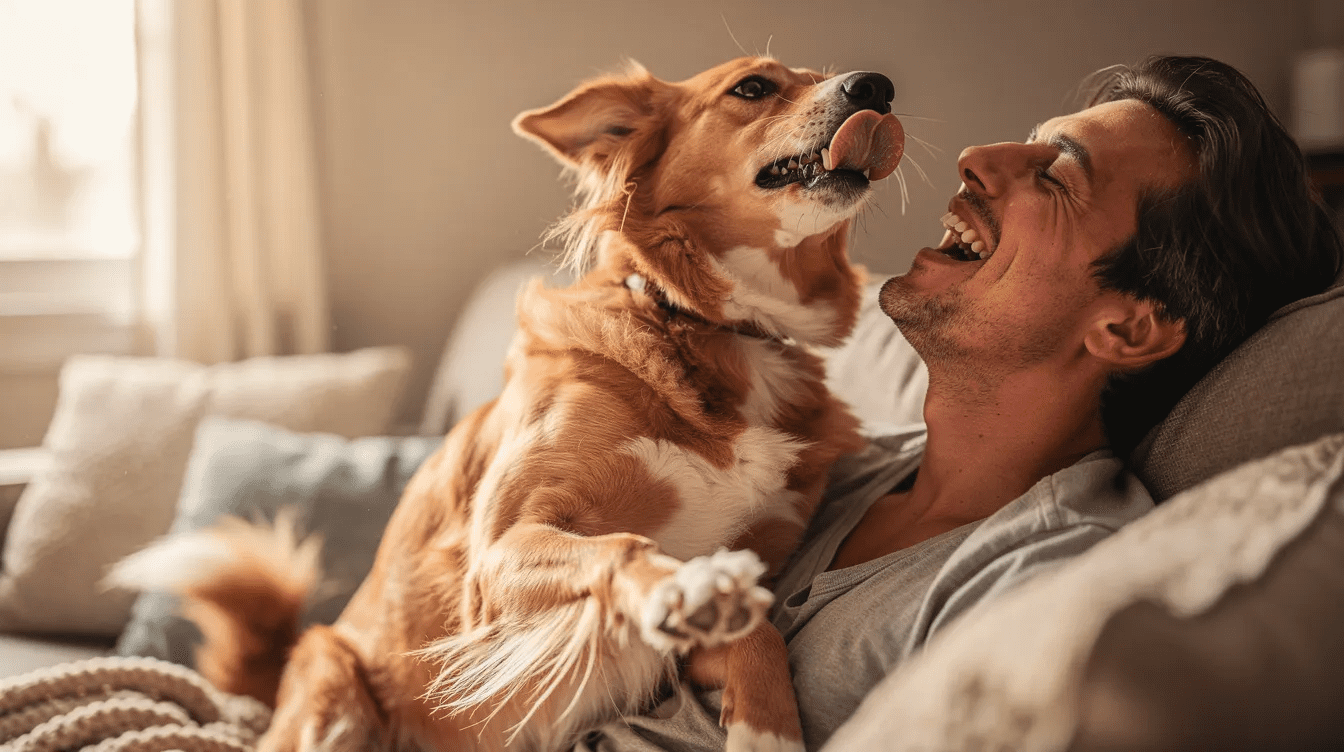
Training Skills That Help Reduce Licking
Structured dog obedience gives your dog a clear job instead of letting them jump, lick, and guess what you want. The goal is not to remove affection. The goal is better manners.
Useful skills include:
- Sit: Ask for a seat before greeting, meals, or couch time.
- Down: Ask for a familiar Down cue and reward relaxed behavior, such as remaining in position with a loose body and calm attention.
- Place command: Teach the dog to relax on a bed or mat while people enter or move around.
- Recall: Call the dog away from guests, children, or a person they are licking, then reward calm behavior.
Short sessions work well for young dogs and adult dogs. Practice 5 to 10 minutes, once or twice daily. This builds focus, reduces boredom, and gives owners a fair way to guide the dog’s behavior.
If licking appears connected to separation distress, fear, or compulsive behavior, begin with a veterinarian to rule out medical causes. A qualified trainer or behavior professional can then help develop a structured plan for greetings, impulse control, relaxation, and appropriate redirection.
Final Thoughts
When owners ask, “Why does my dog want to lick me so much?” the answer is usually a mix of affection, attention seeking, taste, habit, and emotional state. It is not “bad” behavior, but it can still need boundaries.
Most dog licking is normal. Still, you are allowed to set limits if licking is constant, disruptive, unsafe, or uncomfortable. Use calm boundaries, consistent cues, and simple obedience skills to reduce excessive licking over time.
If you feel stuck with obedience, calm boundaries, or problem licking, consider working with a qualified professional who can evaluate your dog’s behavior and build a practical plan for better manners.
FAQ
These answers cover common questions about licking in real-life situations. For health concerns, your own veterinarian is the best source of medical guidance.
Is it safe to let my dog lick my face?
The safest choice is not to allow your dog to lick around your mouth, eyes, or areas with broken skin. Dogs can carry germs even when they appear healthy, and saliva entering an open wound or sore can occasionally cause infection.
Extra caution is recommended for children under five, adults 65 and older, and people with weakened immune systems. Wash your skin after unwanted licking and contact a healthcare professional if saliva enters a significant wound and you develop signs of infection.
Why does my dog lick me more at night?
Nighttime licking may be connected to a learned bedtime routine, attention seeking, stress, discomfort, or difficulty settling when the house becomes quiet. Licking can also become a self-soothing habit for some dogs. Separation anxiety is more specifically associated with distress when a dog is alone or anticipating an owner’s departure.
Try a calm evening routine with a walk, short training session, and a chew or food puzzle. If licking comes with pacing, panting, whining, or pain signs, contact your vet or trainer.
Why does my dog lick guests but not me?
Guests often smell new and exciting. They may also accidentally reward licking by laughing, talking, touching, or making eye contact.
Use a leash, sit, or place command before greetings. Tell guests to ignore licking and only pet the dog when all four paws are on the floor.
Can stress or separation anxiety make my dog lick me more?
Yes. Dogs may lick when they feel worried, lonely, or overstimulated, especially around departures, returns, or schedule changes.
Track when licking happens. If it appears with destructive chewing, vocalizing, pacing, or other anxiety signs, professional behavior support can help.
How long does it take to teach my dog to stop licking so much?
The timeline varies by dog. Progress depends on how often the licking occurs, why it is happening, how long it has been practiced, and how consistently everyone responds. Progress depends on the dog’s age, energy level, history, stress level, and how clearly everyone follows the same rules.
Celebrate small wins, such as shorter licking bouts, faster recall, or calmer responses to sit, down, and place.