
Key Takeways
- The Siberian Husky is a high-energy working breed developed by the Chukchi people of Siberia to pull light loads over long distances in harsh northern conditions.
- Key husky characteristics include an athletic build, thick double coat, strong prey drive, independence, intelligence, and high exercise needs.
- Common behavior challenges include pulling on the leash, digging, vocalizing, escaping, and unreliable recall without structure.
- Regular exercise, mental stimulation, grooming, and basic obedience training help huskies stay happy in family life.
- Professional support can help with leash manners, recall, resource guarding, reactivity, and destructive behavior.
Introduction: What Makes the Husky Different From Other Dogs?
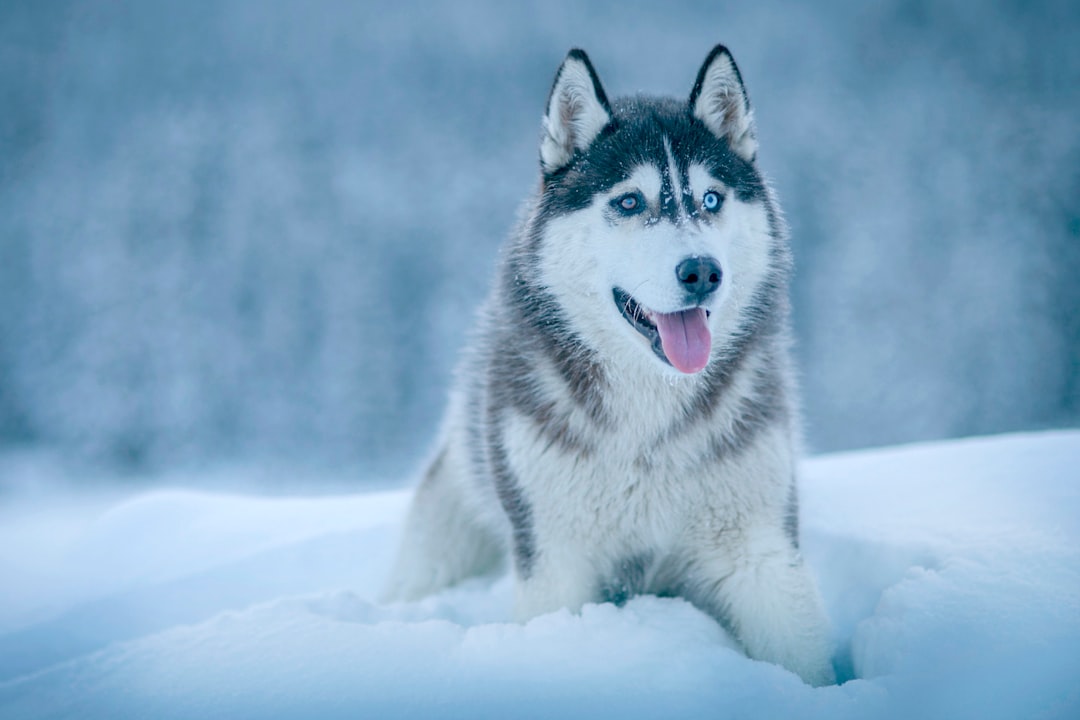
The word husky usually refers to the Siberian Husky, a distinctive dog breed known for sledding history, striking looks, and a big personality. This is not a low-effort pet. It is an athletic, intelligent, social dog with strong working instincts.
Compared with many other breeds, huskies are often more independent, more vocal, and more determined to run, explore, and solve problems. They are affectionate dogs, but they are not always eager to please. Training a Husky requires patience and consistency because of their independent nature and often stubborn temperament.
This guide will help you understand the Siberian Husky’s background, temperament, exercise, grooming, obedience training needs, and behavior challenges. It will also explain when professional help may be the right plan.
Physical Attributes and Appearance of Huskies
The Siberian Husky’s physical attributes and appearance are a testament to their impressive lineage and well-adapted nature. Originating from the Chukchi people of Siberia, these medium-sized dogs were developed for sled pulling and companionship, which is reflected in their sturdy build and distinctive features. Their thick double coat, erect triangular ears, and striking facial markings showcase their resilience and cold-weather tolerance, making them well-suited for their historical role in the polar regions [2].
The breed’s genetic closeness to the gray wolf and the now-extinct Taimyr wolf further emphasizes their robust and hardy physical characteristics. This connection to their wild counterparts not only adds to their striking appearance but also underscores their enduring strength and agility, essential for their role in pulling light loads over frozen expanses. The diversity in their coat colors and markings, coupled with their captivating blue or multi-colored eyes, contributes to their remarkable and captivating appearance, reflecting their rich history and close bond with their ancestral origins.
In modern times, these physical attributes continue to be a defining feature of the Siberian Husky breed, serving as a reminder of their remarkable heritage and the enduring qualities that have solidified their place as beloved companions and working dogs.
Quick Facts About the Siberian Husky
- The Siberian Husky descends from sled dogs developed by the native Chukchi people of Siberia. These dogs were valued for endurance, teamwork, and their ability to pull light loads across long distances.
- Siberian Huskies were brought to Alaska in 1909 and became known as working dogs and racing sled dogs, especially through events like the All-Alaska Sweepstakes.
- The breed gained significant popularity in the United States after the 1925 serum run to Nome during a diphtheria epidemic.
- Huskies are friendly with people, often social with other dogs, and usually poor guard dogs because they greet strangers with excitement.
- Huskies need daily exercise, mental stimulation, secure fencing, grooming, and steady obedience work to thrive.
The History of the Siberian Husky
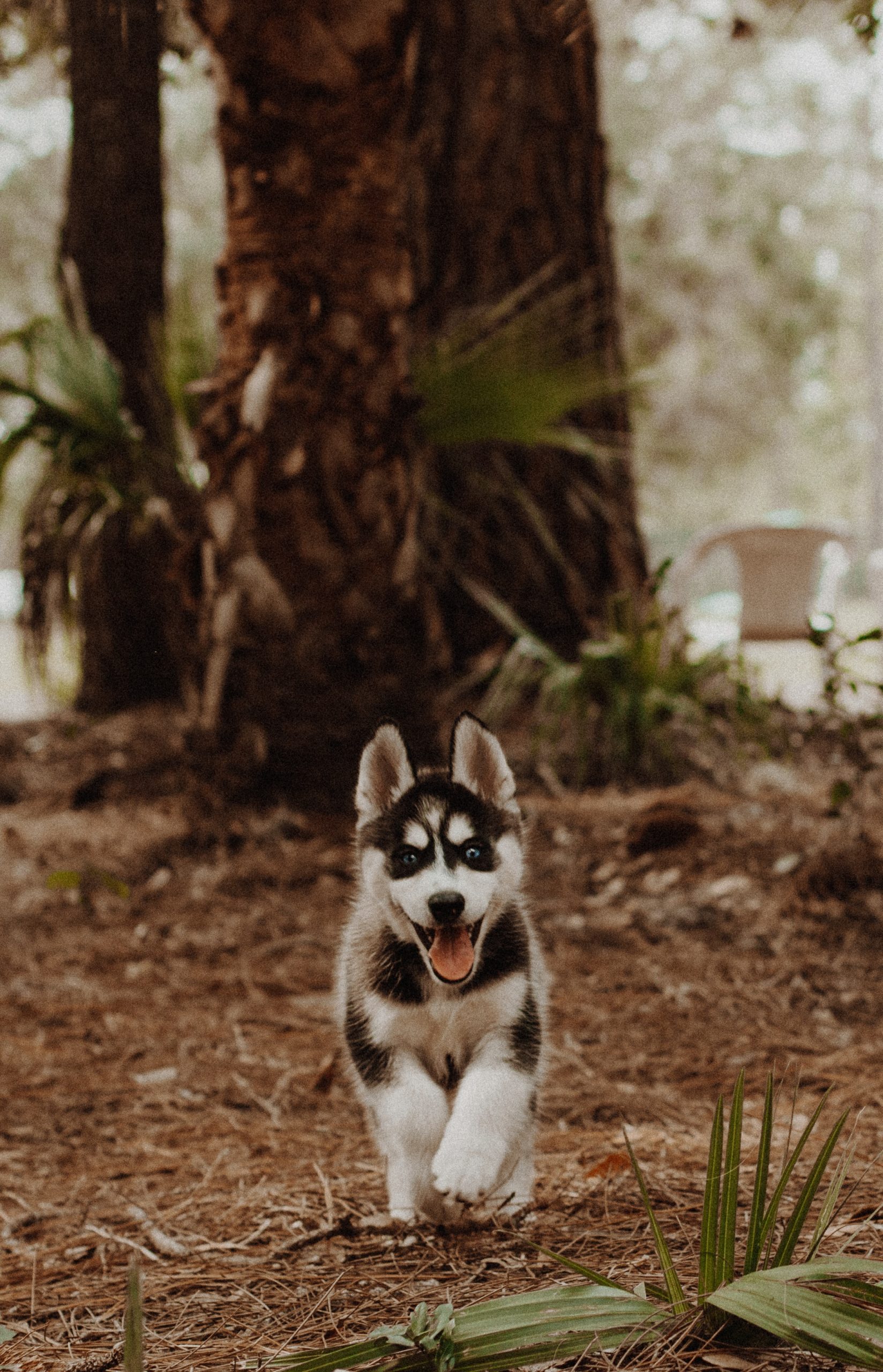
The history of this dog explains much of its modern nature. The Siberian Husky was built for endurance, teamwork, and survival in severe climates.
- The breed’s roots trace to the Chukchi people of northeastern Siberia. Early Siberian sled dogs lived close to families and worked in harsh winter conditions.
- Their original purpose was to pull light loads across long distances between coastal hunting areas and inland camps. They had to conserve energy, stay calm, and work in teams.
- Siberian Huskies were imported to Alaska in 1909 for the All-Alaska Sweepstakes sled dog race. This event helped show their speed, stamina, and efficiency.
- The American Kennel Club recognized the Siberian Husky in 1930. The Siberian Husky Club of America was founded in 1938 and helped guide the breed’s development in the United States.
- In 1925, sled teams carried antitoxin to Nome during a diphtheria epidemic. These serum runs, involving dogs such as Balto and Togo, made the breed famous worldwide.
- Over time, huskies moved from purely working dogs to family companions, racing partners, skijoring dogs, and recreational mushing dogs. Still, the working breed instincts remain.
Common Husky Traits and Temperament
The Siberian Husky has qualities that many owners love, but the same traits can become challenging without structure.
- Energy and drive: Huskies are working dogs bred for endurance. Because of their high energy levels, they need consistent mental and physical stimulation. Without enough exercise or structure, they may become bored, noisy, or destructive. Many Huskies need at least 1 to 2 hours of daily activity, such as running, hiking, structured play, or training.
- Independence and intelligence: Huskies are intelligent but also stubborn and independent. This combination means they may not always respond to commands without motivation, making basic obedience training essential. They are not dogs that live to please, so training requires patience and consistency.
- Strong prey drive: Huskies typically have a high prey drive, which means they are likely to chase small animals like squirrels, birds, and sometimes even cats. This trait makes them less suited to homes with small pets unless carefully supervised and socialized.
- Social nature: Siberian Huskies are pack-oriented and often enjoy companionship from people or other dogs. Many get along well with other dogs, but they may become stressed, noisy, or destructive if left alone too long without enough exercise, structure, or enrichment.
- Vocal and expressive: Huskies are known for their vocalizations, including howling, yodeling, and “talking,” rather than frequent barking. Their expressive eyes, often icy blue, brown, or heterochromatic, along with their mischievous expression, add to their unique personality.
- Escape artists: Huskies are known for being clever escape artists. They may jump, dig, or look for weak spots in a yard, so secure fencing, supervision, and safe leash handling are important.
- Friendly but not guard dogs: Huskies are affectionate and friendly with strangers, often greeting them enthusiastically, which means they are not reliable guard dogs.
Understanding these traits can help owners provide the right environment, training, and care to keep their husky happy and well-adjusted.
Husky Care and Grooming
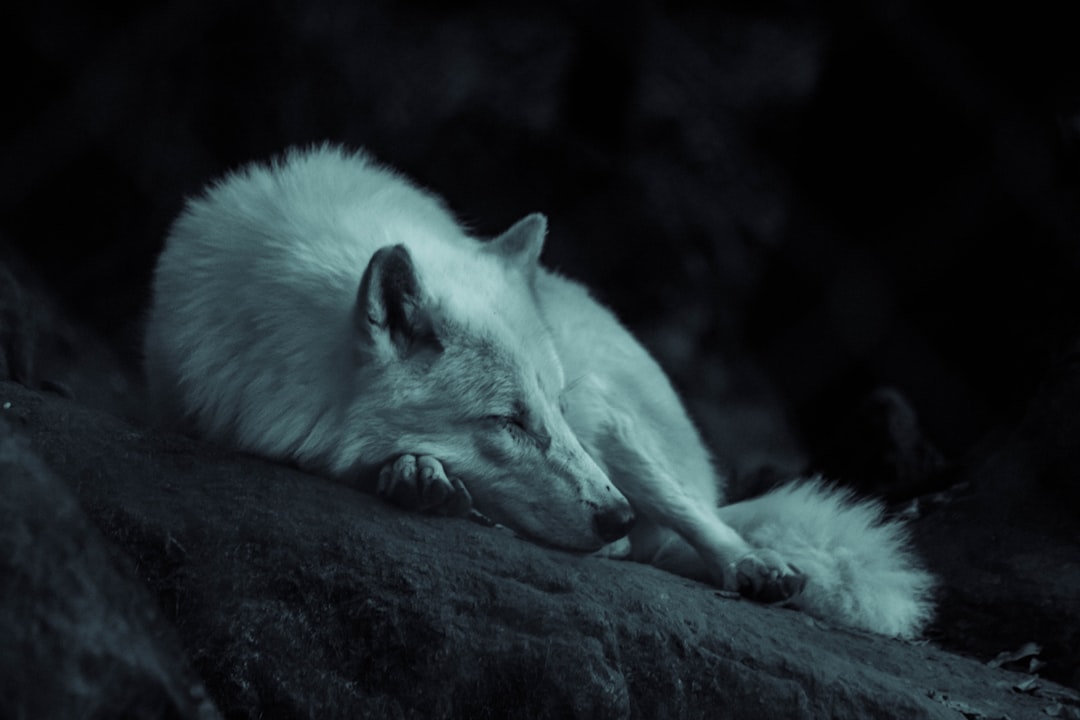
Huskies have a thick double coat that requires regular grooming to keep it in good condition and manage shedding. Brushing their coat at least a few times a week helps to remove loose fur and prevents matting, especially during shedding seasons. Bathing should be done only when necessary, using a dog-friendly shampoo to maintain the natural oils in their coat. Additionally, trimming their nails regularly and cleaning their ears can contribute to their overall grooming routine.
In terms of diet and nutrition, providing a high-quality diet with the right feeding portions is crucial for the health of Siberian Huskies. Their diet should include a balanced mix of protein, fats, and carbohydrates to support their active lifestyle. It’s important to consult with a veterinarian to determine the appropriate feeding portions based on their age, weight, and activity level. Regular exercise is also essential for Huskies to keep them physically and mentally stimulated. Daily walks, runs, or engaging in activities like agility training can help fulfill their exercise needs and prevent boredom.
When it comes to adopting a Siberian Husky, exploring options from rescue organizations or shelters is encouraged. Many Huskies end up in shelters or rescue groups due to various reasons, and giving them a second chance at a loving home can be incredibly rewarding. These organizations often ensure that the Huskies are vetted for health and temperament before they are adopted, making it a thoughtful choice for those looking to bring a Husky into their family.
Training and Exercise Needs
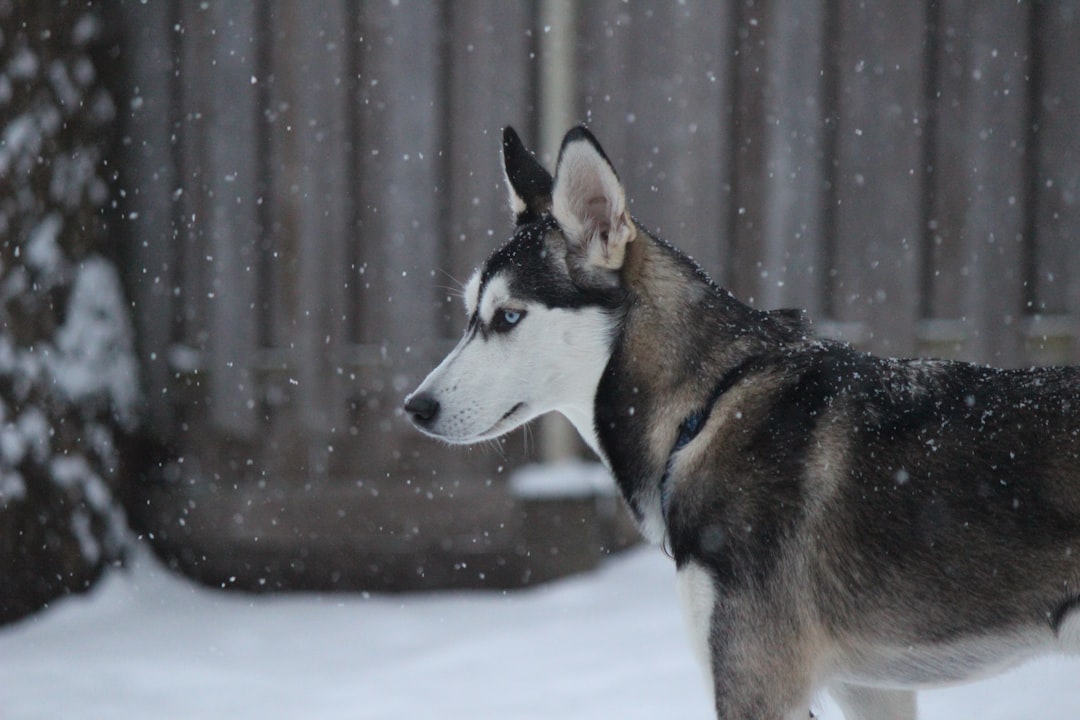
Training Huskies can be challenging due to their independent nature and high energy levels, necessitating early socialization and positive reinforcement techniques. Furthermore, Huskies have significant exercise requirements and a need for mental stimulation to prevent boredom and destructive behavior. It’s important to provide a yard with a high fence to prevent escapes and to keep Huskies on a leash or in a fenced area due to their high prey drive.
Overall, understanding the historical significance, physical attributes, temperament, care needs, and exercise requirements of Siberian Huskies is crucial for providing them with a loving and suitable environment.
Frequently Asked Questions About Siberian Huskies
How much exercise does a husky need daily?
Huskies typically need at least 1 to 2 hours of daily exercise, such as running, hiking, structured play, or training. Regular activity helps reduce boredom and may lower the risk of destructive behavior.
Are huskies good family dogs?
Yes, huskies are affectionate and social dogs that can be great family companions. However, their strong prey drive and high energy mean they need proper training and supervision around small pets and children.
How often should I groom my husky?
Huskies shed heavily, especially during seasonal coat blows. Brushing at least twice a week is essential, and daily brushing may be needed during shedding seasons to manage loose fur and keep their coat and skin healthy.
Can huskies live in more urban settings?
While huskies can adapt to urban settings, they still require ample daily exercise and mental stimulation. Secure fencing and consistent training are crucial to prevent escape attempts and manage their strong instincts.
When should I consider professional training for my husky?
Professional training may help if you struggle with leash manners, recall, resource guarding, reactivity, or other behavior challenges. Huskies often benefit from structured obedience training, clear routines, and consistent owner follow-through.
Need help with your Husky’s obedience, leash manners, or behavior challenges? Reach out today to learn how structured training can help you build clearer communication, better daily routines, and more confidence with your dog.