
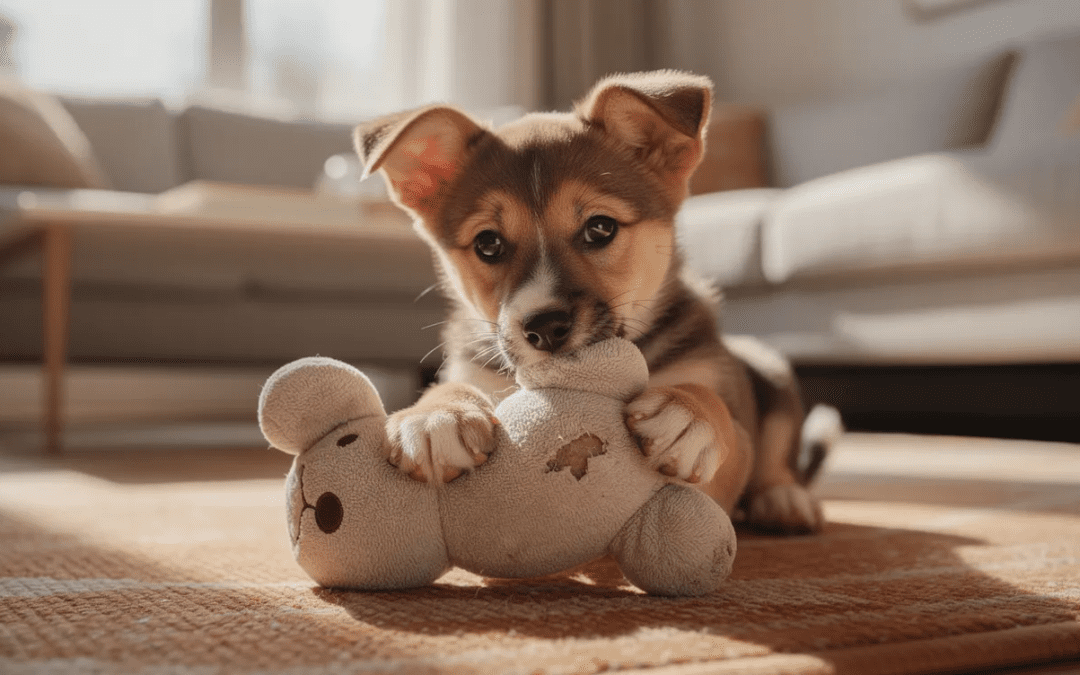
Bringing home a new puppy is exciting, but socialization can feel confusing. Many owners think it means letting a puppy meet every dog they see. In reality, dog socialization is about helping dogs stay calm, confident, and responsive around people, places, sounds, surfaces, and everyday distractions. For puppies who need more structure, Off Leash K9 Dog Training Albany can help build early manners, socialization skills, and confidence from the start through professional puppy training in Albany, NY.
Key Takeaways
- Socialization is more than meeting other dogs. It includes people, handling, sounds, surfaces, new environments, and calm behavior around distractions.
- Early puppy socialization matters because the first few months are a key learning window for helping puppies feel safe around people, places, sounds, surfaces, and everyday life.
- Safe puppy classes, gradual exposure, and positive experiences can help a puppy learn without becoming overwhelmed.
- Forced greetings, chaotic off-leash play, and a busy dog park can create fear, reactivity, or bad habits.
- If your dog shows barking, lunging, freezing, hiding, or intense fear, slow down and consider professional puppy training or dog training support.
What Dog Socialization Really Means
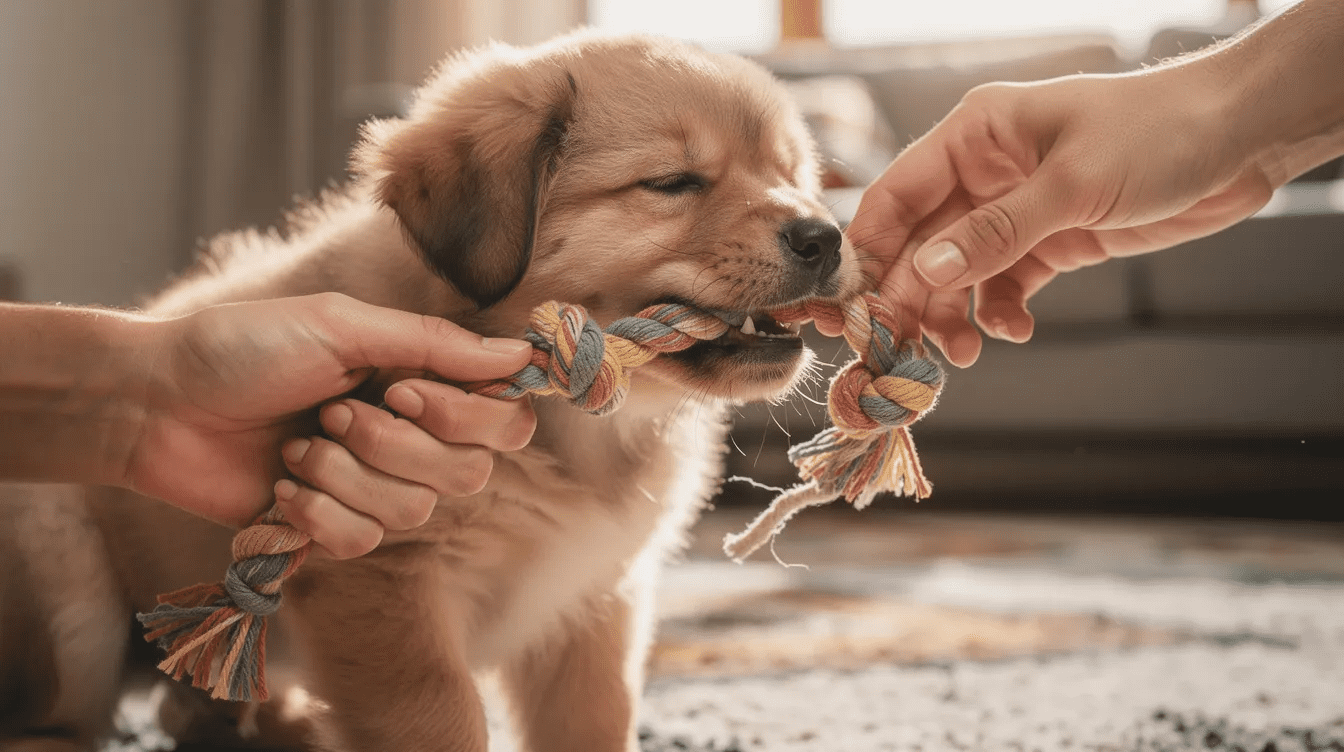
Dog socialization is the process of helping a puppy or adult dog feel safe and behave appropriately in the human world. It includes exposure to people, other puppies, older dogs, new sights, sounds, different surfaces, gentle handling, car rides, vet visits, and everyday life.
Proper socialization is not flooding a young dog with every possible experience. It is controlled exposure that creates positive experiences. A confident dog is not one that rushes into everything. A confident dog can observe, recover, focus, and make good choices.
During the first few months of a puppy’s life, they go through an important socialization period that can shape how they respond to people, animals, places, sounds, and new experiences later on. Early puppy socialization helps build confidence and may reduce the risk of fear, avoidance, and stress around unfamiliar situations.
For many owners, the first few weeks after bringing home a new puppy are the best time to start simple confidence-building. A pup can hear the vacuum from another room, walk across tile and carpet, meet calm friends, and practice being handled by family members.
Socialization should also include training. Name recognition, sit, come, place, and leash manners help a puppy learn to respond even when life gets distracting. Basic puppy training exercises such as sit, down, stay, come, and leave it are often taught during training classes and can be practiced during socialization outings.
This approach makes sense because proper socialization early in life can reduce the risk of fear, avoidance, and stress around new situations. It does not guarantee that a dog will never develop behavior challenges, but it gives puppies a stronger foundation for handling everyday life with more confidence.
Why Puppy Socialization Classes Can Help
Well-run puppy socialization classes support early puppy socialization in a safe, supervised setting. In general, puppies may start socialization classes as early as 7 to 8 weeks when they have had at least one set of vaccines at least 7 days before class, have started deworming, and stay current on vaccines throughout the class.
The American Veterinary Society of Animal Behavior recommends that puppies receive safe socialization before they are fully vaccinated. In general, puppies can begin puppy socialization classes as early as 7 to 8 weeks of age when proper vaccination, deworming, and health requirements are followed.
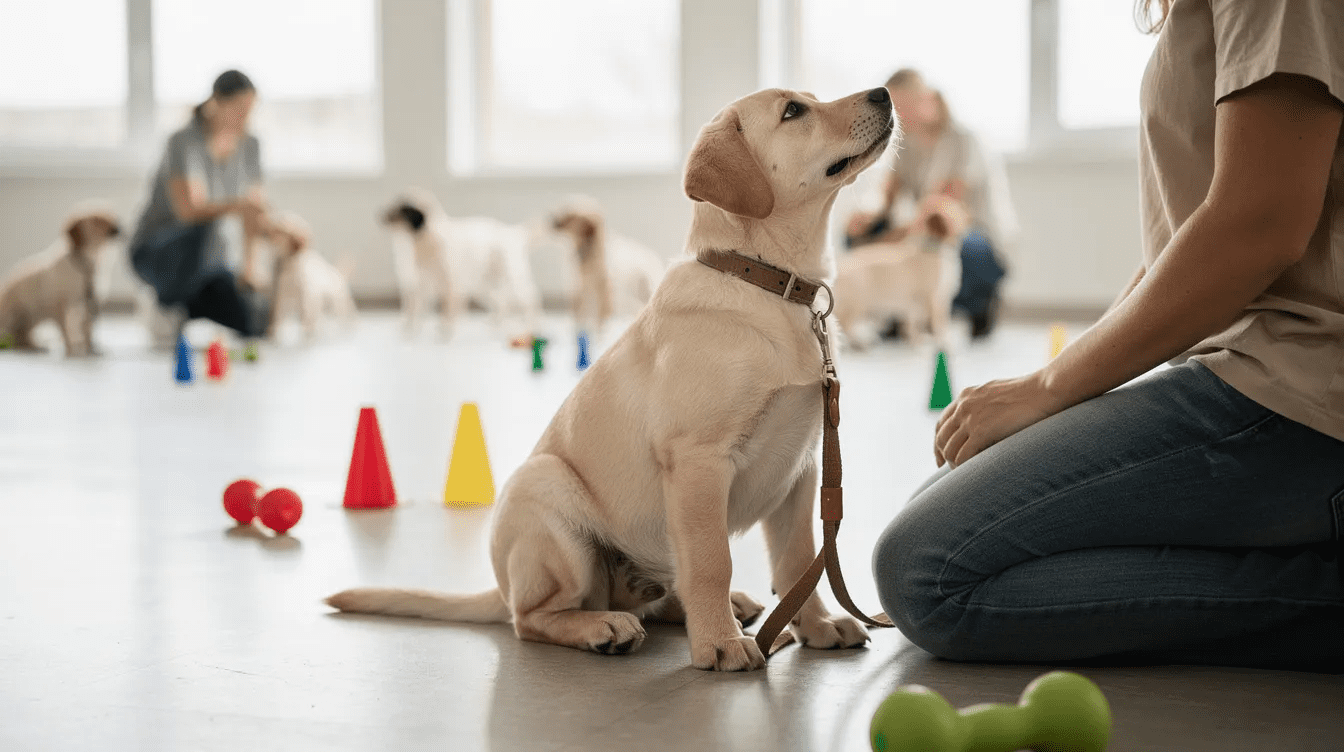
Good socialization classes are not a free-for-all. Puppy socialization classes typically involve group sessions where puppies can interact with other dogs and people, helping them learn appropriate social behaviors in a controlled environment. Socialization classes offer a low-risk environment overseen by skilled trainers who ensure interactions remain positive and safe.
Effective puppy socialization classes focus on positive reinforcement, controlled play, and exposing puppies to new environments. The structure of puppy classes often includes a curriculum that focuses on exposing puppies to various stimuli, such as different surfaces, sounds, and handling experiences, to promote confidence and reduce fear.
A quality puppy kindergarten or group classes setting may include:
- Controlled play with other puppies
- Calm greetings with people
- Handling practice for paws, ears, collar, and body
- New surfaces, soft sounds, and new sights
- Basic manners skills such as sit, down, stay, come, and leave it
- Leash walking, polite greetings, and reliable recall
Training classes for puppies often introduce skills like leash walking, polite greetings, basic recall, and calm focus around distractions. Puppy training classes may also include controlled exposure to other dogs and people, helping puppies learn appropriate behavior in a structured setting.
Owners who want a more guided path can review available puppy training programs to choose the right level of support for their puppy. Helpful classes often balance brief learning exercises, controlled exposure, play breaks, and rest so puppies do not become overwhelmed.
Safety matters. Puppy socialization classes should be held in a clean, well-managed environment with clear health and vaccination requirements. Ask how the space is cleaned, how sick puppies are handled, and what vaccine or deworming records are required before class begins.
The right trainer will watch body language, interrupt rough play, prevent bullying, and teach owners what to look for. Qualified professional trainers can help both you and your puppy build important skills before unwanted behaviors become routine.
Safe Ways to Socialize Your Dog
You can socialize your puppy at home, on walks, in the car, and during normal errands. The goal is not to do everything in one week. The goal is to teach your dog that the world is safe, predictable, and fun.
Start small. Let your puppy watch traffic from a distance before walking beside a busy road. Let your pup observe new dogs from across the street before trying a closer greeting. Introduce one calm adult dog before expecting your puppy to interact with groups.
Here are simple ways to build confidence:
| Situation | Safer first step |
| New people | One calm person tosses treats without reaching over the puppy |
| Other dogs | Watch calm dogs from a distance before a brief greeting |
| Sounds | Play recordings at low volume, then reward calm behavior |
| Surfaces | Try carpet, tile, grass, pavement, mats, and low platforms |
| Places | Visit quiet areas before busy streets or crowded stores |
Keep each session short. Pair new experiences with treats, praise, play, and breaks. A young puppy needs sleep, potty training routines, and quiet time as much as exposure.
For new environments, let the dog sniff and move at their own pace. If your puppy wants to retreat, allow it. That choice helps build confidence.
For older puppies and older dogs, go even slower. An older dog can still learn, but the process may need more distance, more repetition, and fewer surprises.
Good socialization also includes everyday care. Practice gentle brushing, collar holds, crate time, car rides, and calm waiting at the vet. These skills support a dog’s life far beyond puppyhood.
Common Socialization Mistakes to Avoid
Not all exposure is helpful. If a puppy is scared, trapped, or overwhelmed, the experience can create reactivity instead of confidence.
One common mistake is relying on the dog park. A dog park can expose a puppy to unknown dogs, rough play, health risks, and poor social behavior. Even friendly dogs may overwhelm a young puppy if the play is too intense.
Forced greetings are another problem. Do not let every stranger pet your dog or every new dog rush into your puppy’s space. Socializing does not mean your dog must interact with everyone.
Avoid these common mistakes:
- Taking a nervous puppy into crowded events too soon
- Allowing chaotic off-leash play with unknown dogs
- Ignoring stress signals because the puppy is “being social.”
- Focusing only on other puppies while skipping real-life skills
- Letting barking, jumping, or pulling become practiced bad habits
Socialization should include good manners, leash walking, basic training, and calm observation. A well-behaved dog needs more than play. Dogs also need to learn how to settle, ignore distractions, and recover after excitement.
Watch your dog’s body language. Lip licking, yawning, crouching, turning away, clinging to owners, or trying to leave can all mean the dog needs space. Growling, snapping, or barking means you should increase the distance and make the next session easier.
When to Get Professional Help
Asking for help is not a failure. Some dogs are naturally cautious, and their temperament can affect how quickly they adjust to the world. Other dogs may have missed early puppy socialization, had frightening experiences, or developed unwanted behaviors over time.
Professional support may help if your dog:
- Growls at other dogs or people
- Barks and lunges on leash
- Freezes, hides, or refuses to move
- Panics around sounds or new environments
- Cannot calm down after seeing new dogs
- Shows fear during handling, grooming, or vet visits
A qualified trainer can design a step-by-step plan using positive reinforcement, distance, and controlled exposure. Private lessons may be better than group classes for a fearful or reactive dog. Structured training classes may be useful for puppies who need basic manners skills and confidence around mild distractions.
If behavior changes suddenly, talk to your vet. Pain, illness, hearing changes, or vision problems can affect animal behavior and social confidence.
Frequently Asked Questions
These answers cover common concerns about puppy socialization, social skills, and practical training choices.
How early should I start socializing my puppy?
Start as soon as your puppy comes home, often around 8 weeks of age. Begin with gentle handling, household sounds, safe surfaces, short car rides, and calm family interactions. Many puppies can begin controlled puppy socialization classes once they have started vaccines, had appropriate deworming, and are cleared for a safe group setting.
Can older dogs still benefit from socialization?
Yes. Older dogs can learn new skills, but progress may be slower than it is for a young puppy. Start with quiet places, one calm person or dog at a time, and plenty of positive reinforcement. If there is a history of aggression, intense fear, or reactivity, work with professional trainers before using group settings.
Are puppy socialization classes safe if my puppy is not fully vaccinated?
They can be safe when they are well managed. Ask about cleaning protocols, age groups, health screening, vaccination requirements, and how sick or coughing dogs are handled. The goal is to balance medical risk with the behavioral risk of missing early socialization, so stay in close contact with your vet.
How do I know if my dog is overwhelmed during socialization?
Subtle signs include lip licking, yawning, turning away, crouching, clinging to the owner, or trying to leave. More obvious signs include barking, growling, snapping, or lunging at other dogs or people. When you see these signals, add distance, reduce the intensity, and give your dog quiet time.
How often should I attend puppy classes or socialization sessions?
Most puppies do well with one structured puppy class or training session per week, plus several short and calm socialization outings on other days. Quality matters more than quantity. Adjust the schedule based on your puppy’s energy, confidence, and recovery after each session.
Final Thoughts
Thoughtful dog socialization builds calm behavior in real life, not just friendly play with other dogs. Structured puppy socialization classes, combined with careful at-home practice, can help a puppy learn to handle people, places, sounds, surfaces, and new environments.
Move at your dog’s pace. Focus on positive experiences, short sessions, rest, and gradual progress. If your dog seems fearful, reactive, or overwhelmed during socialization, consider reaching out for professional dog training support so you do not have to navigate the process alone.