
Why Play Is Essential for Your Dog’s Physical and Mental Health
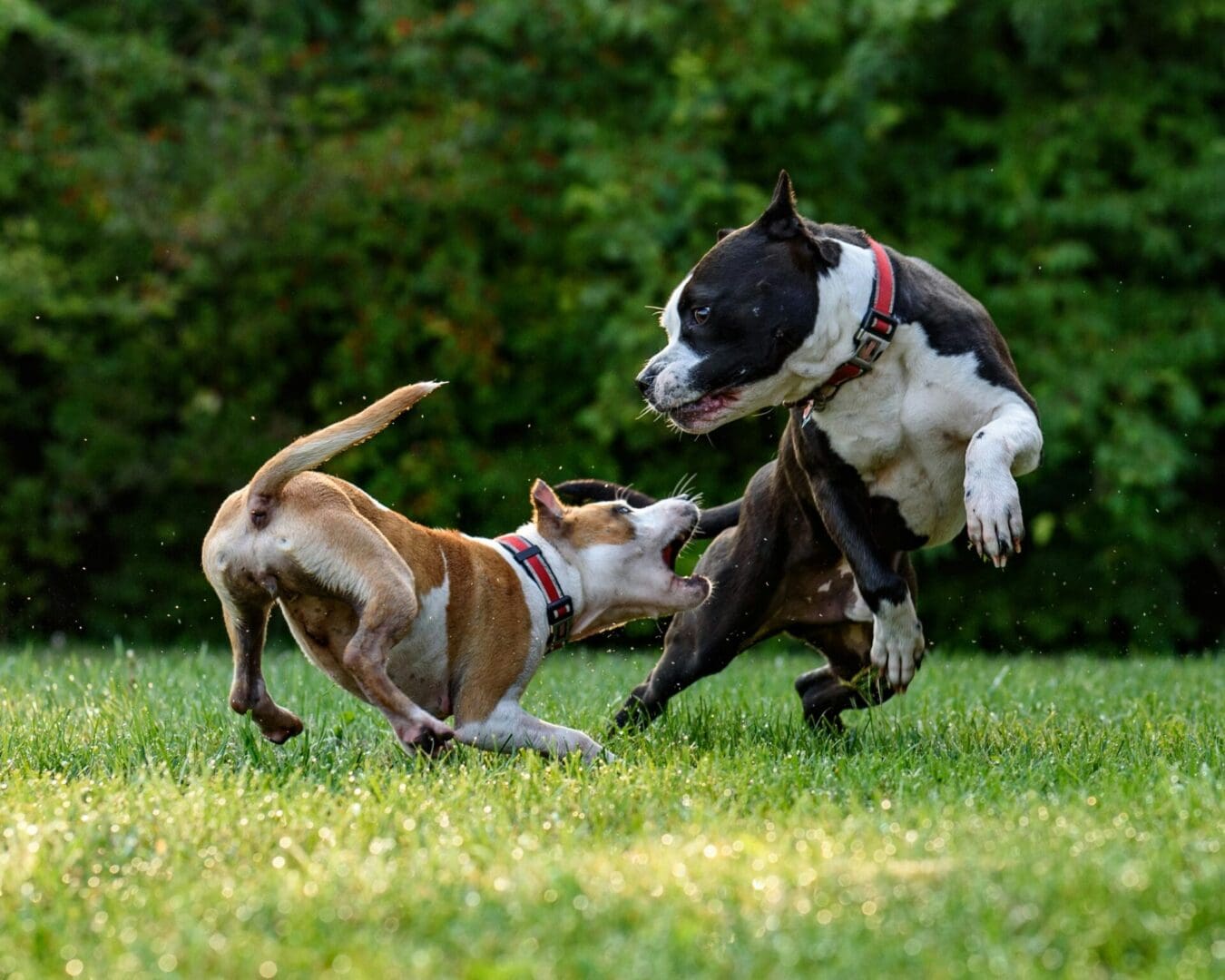
When most people think about dog training, they picture teaching commands like “sit,” “stay,” or “come.” While those skills are incredibly important, there’s another part of a dog’s life that deserves just as much attention: play.
Play is far more than entertainment. It’s one of the most important ways dogs learn, communicate, build confidence, stay physically healthy, and release energy in a productive way.
Whether you have an energetic puppy or a calm senior dog, making time for play each day benefits both your dog’s body and mind. In fact, many common behavior problems can be reduced simply by ensuring a dog’s physical and mental needs are being met through appropriate play.
Let’s take a closer look at why play is such an important part of your dog’s overall well-being.
Play Is a Natural Behavior
Dogs are naturally playful animals.
From the time puppies begin interacting with their littermates, they learn valuable life skills through play. Wrestling, chasing, tugging, and gentle mouthing all help puppies develop:
- Coordination
- Bite inhibition
- Social skills
- Communication
- Problem-solving abilities
While adult dogs may play differently than puppies, the need to engage in play doesn’t disappear with age.
Healthy play remains an important outlet throughout a dog’s life.
Physical Exercise Is Only Part of the Picture
Many owners believe a long walk is enough exercise for their dog.
While walks are fantastic, they don’t always satisfy a dog’s natural desire to chase, retrieve, tug, sniff, solve problems, or interact with their owner.
Play provides movement that often mimics the behaviors dogs were originally bred to perform.
Examples include:
- Retrieving for sporting breeds
- Tugging for terriers
- Chasing toys for herding breeds
- Nose games for scent-driven dogs
These activities engage both the body and the brain, making them far more fulfilling than exercise alone.
Play Provides Mental Stimulation


A mentally tired dog is often just as important as a physically tired dog.
Interactive play encourages dogs to:
- Think
- Make decisions
- Solve problems
- Focus
- Adapt to changing situations
Games like fetch, tug, hide-and-seek, scent work, or puzzle toys require dogs to actively engage their minds.
Mental enrichment helps prevent boredom, and boredom is one of the leading contributors to unwanted behaviors such as:
- Excessive barking
- Chewing
- Digging
- Jumping
- Counter surfing
Giving your dog an appropriate outlet for their brain can dramatically improve life at home.
Play Helps Reduce Stress
Just like people, dogs experience stress.
Changes in routine, unfamiliar environments, visitors, loud noises, or busy households can all increase a dog’s stress levels.
Appropriate play provides a healthy way for dogs to release built-up tension.
When dogs engage in enjoyable activities, they often become more relaxed afterward and recover from stress more quickly.
Regular play also helps many dogs develop emotional resilience by teaching them how to manage excitement and frustration in positive ways.
Play Builds Confidence
Confidence isn’t something dogs are simply born with—it develops through positive experiences.
When dogs successfully chase a toy, solve a puzzle, find hidden treats, or learn a new game, they begin building confidence in themselves and their environment.
Confident dogs are often:
- More adaptable
- Better problem solvers
- Less anxious in new situations
- Better able to recover from stress
Play creates opportunities for repeated success, and success builds confidence.
Play Strengthens Communication
Every play session is an opportunity for communication.
Dogs learn to:
- Pay attention to their handler
- Follow simple cues
- Practice impulse control
- Read body language
Likewise, owners become better at recognizing:
- Excitement
- Fatigue
- Stress signals
- Preferences
- Motivation
Over time, this creates stronger teamwork both during play and in everyday life.
Play Can Improve Behavior
Many unwanted behaviors stem from unmet needs rather than disobedience.
Dogs that lack sufficient physical or mental outlets may create their own entertainment by:
- Barking
- Digging
- Chewing furniture
- Stealing household items
- Pestering family members
Appropriate daily play gives dogs a constructive way to release energy, making them more likely to relax once their needs have been met.
While play isn’t a cure-all for behavior problems, it’s an important piece of the puzzle.
Every Dog Plays Differently
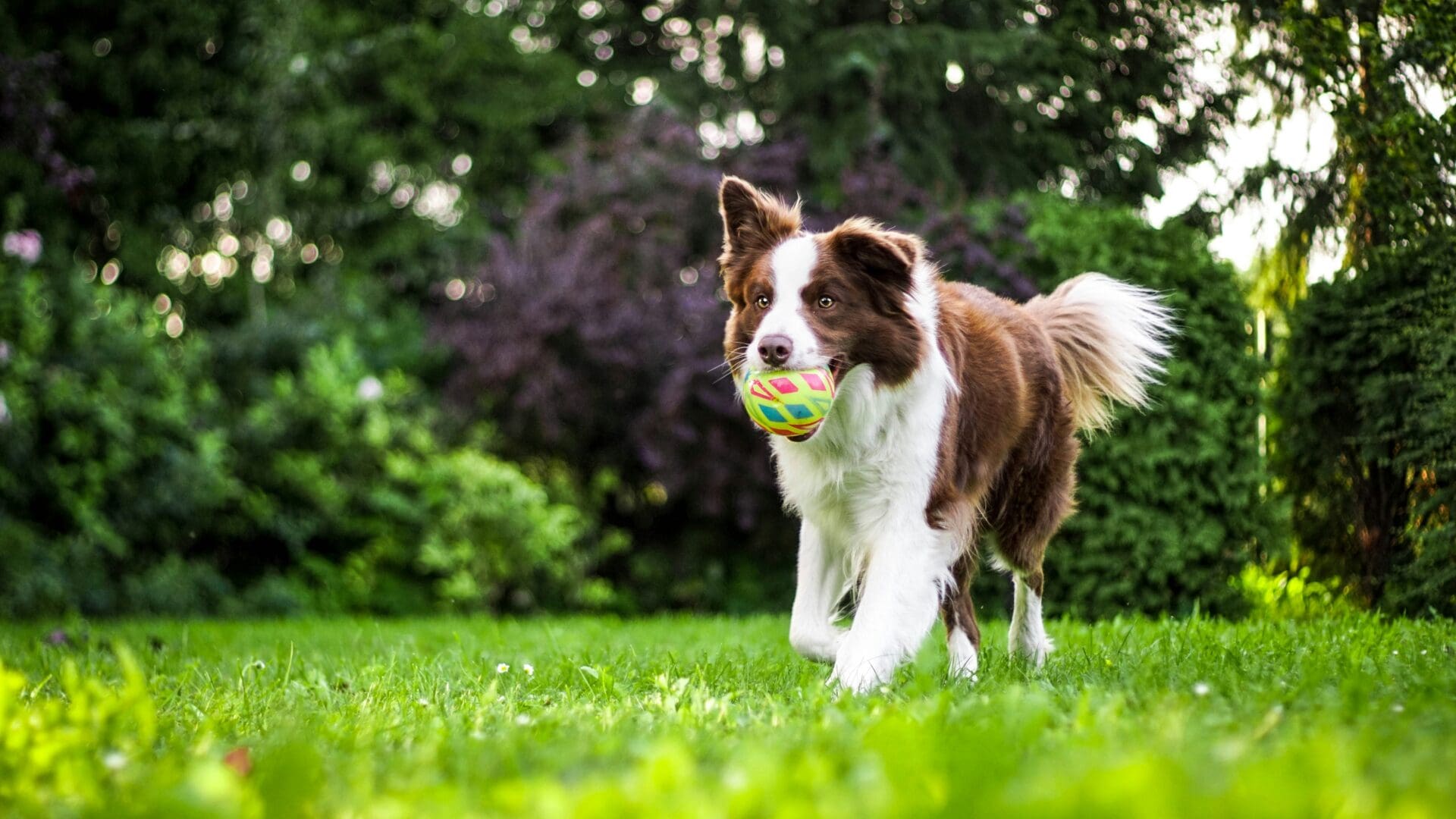 Not every dog enjoys the same games.
Some dogs love:
- Fetch
- Frisbee
- Tug
Others prefer:
- Nose work
- Food puzzles
- Hide-and-seek
- Gentle exploration
Learning what motivates your individual dog makes play more rewarding for both of you.
The goal isn’t to force a specific activity—it’s to discover what your dog genuinely enjoys.
Quality Matters More Than Quantity
You don’t have to spend hours playing every day to make a difference.
Even 15–20 minutes of focused, interactive play can provide significant physical and mental benefits.
During that time:
- Put away distractions.
- Engage fully with your dog.
- Make the experience positive and enjoyable.
Those dedicated moments often mean far more than extended periods of passive interaction.
Keeping Play Safe
Play should always be:
- Age-appropriate
- Physically safe
- Positive
- Supervised when necessary
Choose toys that are appropriately sized, monitor your dog’s energy level, and end sessions before your dog becomes overly tired or frustrated.
The goal is for your dog to finish play feeling successful—not overwhelmed.
Final Thoughts
Play is much more than a fun way to pass the time.
It’s a critical part of your dog’s physical health, mental enrichment, emotional well-being, and overall quality of life.
By incorporating regular play into your daily routine, you’re helping your dog:
- Stay physically fit
- Build confidence
- Reduce stress
- Strengthen your relationship
- Develop healthy behaviors
In short, play isn’t a luxury—it’s one of the best investments you can make in your dog’s happiness and long-term well-being.