Key Takeaways
- A good diet for a dog is complete, balanced, and appropriate for the dog’s age, size, activity level, and health status, with constant access to fresh water.
- Most healthy dogs thrive on a high-quality commercial dog food that meets AAFCO standards, with treats kept under 10% of daily calories.
- Nutritional needs change from puppy to adult dog to senior, and owners should adjust portions based on body condition rather than relying solely on package guidelines.
- Diet directly affects energy, focus, and behavior, which is why Albany Off Leash K9 Training uses food rewards in many training programs and emphasizes the importance of a healthy diet for training success.
What Is a Good Diet for a Dog? (Direct Answer)
A good diet for a dog provides complete and balanced nutrition that meets the dog’s specific needs based on life stage, size, and health. For most pet parents, this means choosing a commercial dog food labeled as “complete and balanced” according to the Association of American Feed Control Officials (AAFCO).
The core elements of a well-balanced diet include a quality protein source, moderate healthy fats, digestible carbohydrates, essential vitamins and minerals, and unlimited access to clean water. These components work together to support everything from muscle maintenance to immune system function.
What many owners overlook is that a dog’s diet affects far more than physical health. Proper nutrition influences energy levels, behavior, ability to learn, and stamina during training sessions or off-leash exercise. A dog that receives the right nutrients is better equipped to focus, respond to commands, and maintain steady energy throughout the day.

How Your Dog’s Age, Size, Breed, and Lifestyle Affect Diet
There is no single “best food for dogs” because individual needs vary greatly. What works perfectly for one dog may be completely wrong for another.
Puppies (birth to about 12-18 months) need higher calories, more protein, and specific calcium and phosphorus ratios to support rapid growth. Large breed puppies require controlled growth formulas to help prevent joint issues like hip dysplasia. Small-breed puppy food is typically more calorie-dense to accommodate tiny stomachs and fast metabolisms.
Adult dogs (roughly 1-7 years depending on breed) shift to adult maintenance diets. A couch potato needs 20-25% fewer calories than a working or sporting dog. Active dogs hiking, training, or participating in board-and-train programs may require significantly more fuel.
Senior dogs (often 7+ years, earlier for giant breeds) frequently benefit from fewer calories to match slower metabolism. Many older dogs need highly digestible protein and formulas supporting joint health or kidney function.
Size matters significantly for dogs nutrition:
- Toy breeds metabolize food 20-40% faster per kilogram and risk blood sugar drops if underfed
- Large dogs and giant breeds have slower metabolisms and higher risk of bloat from large meals
- Deep-chested breeds benefit from split feedings rather than one large daily meal
Certain breeds and mixes may be prone to food allergies, pancreatitis, or specific health issues that influence ideal fat levels and ingredients. Dogs in intensive training programs, like those at Albany Off Leash K9 Training, often require more calories to maintain a dog’s energy and focus.
Ask your veterinarian for a target body condition score and calorie range tailored to your individual dog.
Balanced Nutrition for Dogs: Core Nutrients
Balanced nutrition for dogs means providing the right amounts of protein, fat, carbohydrates, vitamins, minerals, and water. A complete and balanced diet includes all the nutrients your dog needs without requiring supplementation.
Protein is the foundation of a healthy dog diet. It supports muscle maintenance, immune function, and hormone production. Dogs eat meat as their primary protein source in most diets, and high-quality animal protein provides essential amino acids that plant proteins often lack. Adult maintenance formulas typically contain at least 18% protein on a dry matter basis, while young dogs need closer to 22-25%.
Fat serves as the main energy source in most dog food options and provides more than twice the calories per gram compared to protein or carbohydrates. Essential fatty acids support skin barrier integrity, a glossy coat, brain development, and joint health. However, excess fat leads to weight gain and obesity, which affects roughly 60% of domestic dogs according to veterinary data.
Carbohydrates are often misunderstood. When cooked and balanced properly, carbs like sweet potatoes, brown rice, or oats provide energy, dietary fiber for gut health, and help spare protein for other essential functions. Most dogs tolerate digestible carbohydrates well.
Vitamins and minerals support bone health, nerve function, blood production, and metabolism. Complete commercial dog foods are formulated to meet these needs without additional supplementation. Over-supplementing can actually cause harm.
Water is arguably the most critical nutrient. Fresh, clean water must be available at all times. It supports digestion, body temperature regulation, and nutrient transport. Dehydration signs can appear after just 5% fluid loss.
Look for dog food labeled with AAFCO nutritional adequacy statements matching your dog’s life stage.
Common Healthy Food Options for Dogs
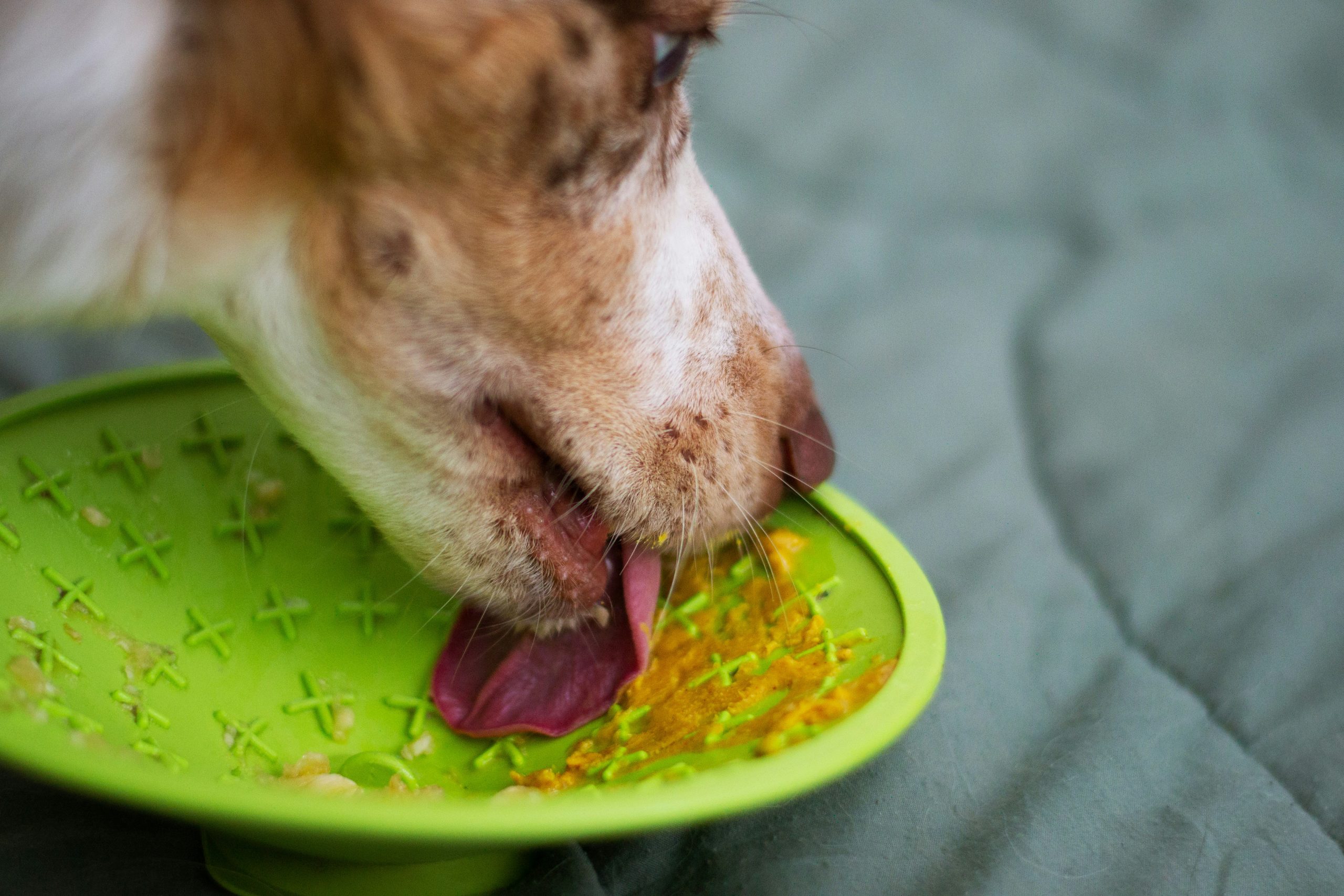
Most dogs do best on a high-quality commercial diet, with simple, safe extras used as occasional additions or training rewards.
Commercial dry kibble and canned foods labeled complete and balanced for your dog’s life stage form the foundation for a healthy dog diet. Commercial dog foods undergo feeding trials and formulation to meet AAFCO standards, ensuring nutritional adequacy.
Appropriate food categories include:
- Reputable brands of dry food with named meat proteins in the first few ingredients
- Wet food for dogs who need extra moisture or have dental issues
- Properly formulated fresh or lightly cooked diets that meet AAFCO standards
Many dogs can enjoy small amounts of vet-approved human food as occasional treats:
- Plain boiled chicken or turkey (great for sensitive stomachs or as high-value training rewards)
- Plain white rice (helpful for temporary digestive upset as part of a bland diet)
- Carrots and green beans (low-calorie, crunchy snack options)
- Blueberries (antioxidant-rich in small portions)
- Plain pumpkin (supports gut health and digestive regularity)
Fresh foods or toppers should make up only a small portion of intake. Without proper formulation, adding too much can unbalance a complete and balanced diet.
At Albany Off Leash K9 Training, trainers often use small, bite sized pieces of the dog’s regular kibble or low-fat treats during obedience and off-leash training. This approach keeps calories controlled while making food rewards effective.
Introduce any new food slowly over at least a week, watching for digestive upset or itching. Consult a veterinarian if symptoms persist.
Foods Dogs Should Avoid
Some human food and common household items are unsafe or toxic for dogs, even in small quantities. Every pet parent should know these dangers.
Toxic foods to keep away from dogs:
| Food | Why It’s Dangerous |
| Chocolate | Contains theobromine; darker varieties are more toxic |
| Xylitol | Found in sugar-free gum and some peanut butters; causes blood sugar crashes and kidney failure |
| Grapes and raisins | Can cause acute kidney failure even in small amounts |
| Onions and garlic | Damage red blood cells; toxic in both raw and cooked forms |
| Alcohol | Causes CNS depression and can be fatal |
| Unbaked yeast dough | Expands in stomach; produces ethanol |
Other risky items include:
- Cooked bones that can splinter and puncture the dog’s digestive system
- Fatty table scraps that may trigger pancreatitis
- Highly seasoned or salty foods
- Full-fat dairy in large amounts
- Processed meats like bacon and sausages with high sodium and preservatives
Keep trash secured and countertops clear. Reward your dog with dog-safe treats rather than table scraps.
If your dog ingests a suspected toxic food, call your veterinarian or a pet poison helpline immediately. Do not wait for symptoms to appear.

How Much Should You Feed Your Dog?
The right portion size depends on age, current weight, ideal weight, activity level, and whether the dog is spayed or neutered. There is no universal answer to “how much food should I feed my dog.”
Package feeding guidelines are starting points only. Most owners need to adjust amounts based on body condition and veterinary guidance.
Using body condition scoring:
- You should feel ribs without pressing hard
- The dog should have a visible waist tuck when viewed from above
- There should be no obvious fat pads over the hips or shoulders
A dog’s weight alone does not tell the whole story. Two 50-pound dogs may have very different ideal portion sizes based on breed, muscle mass, and activity.
General feeding frequency:
- Most adult dogs do well with two measured meals per day
- Puppies often need three to four smaller meals to maintain stable blood sugar and energy
- Senior dogs may benefit from smaller, more frequent meals
Measure food with a standard measuring cup or kitchen scale. Eyeballing leads to overfeeding more often than owners realize.
Treats and training rewards should typically stay under 10% of daily calories. On heavy training days, slightly reduce meal portions to compensate.
Overweight dogs may need a structured weight loss program. Work with your vet rather than drastically cutting food, which can cause other health issues. Even modest excess weight puts strain on joints and increases risk of chronic disease.
Wet Food vs Dry Food vs Fresh Food
All three categories can be part of a healthy dog diet when they are complete, balanced, and appropriate for the individual dog.
Dry food (kibble):
- Convenient and cost-effective per calorie
- Easier storage and longer shelf life
- Works well as training rewards in bite sized pieces
- May provide some dental abrasion benefit
- Quality varies significantly by brand
Wet food (canned or pouched):
- Higher moisture content supports hydration
- Strong palatability for picky eaters
- Useful for dogs with dental or chewing difficulties
- Shorter shelf life once opened
- Generally more expensive per calorie
Fresh or lightly cooked diets:
- Some commercial fresh foods are formulated by veterinary nutritionists
- May offer higher bioavailability of nutrients
- Typically 2-5 times more expensive than kibble
- Requires refrigeration
A note on raw food diets: These carry food safety risks for both dogs and humans, along with potential nutritional adequacy concerns. Raw food should only be considered under close guidance from a board-certified veterinary nutritionist.
Mixing formats can work well. Many owners feed kibble as the base and add wet food or toppers for variety. The key is maintaining overall caloric control and nutritional balance.
Focus on nutrient balance, ingredient quality, and your dog’s health response rather than marketing buzzwords. Grain-free diets, for example, are not automatically better and have been investigated in connection with certain heart conditions. Grain-inclusive formulas are safe and well-tolerated by most dogs.
Signs Your Dog’s Diet May Need Improvement
The best food for dogs is one that keeps the individual dog at a healthy weight with good energy, digestion, and coat quality. If something seems off, the diet may need adjustment.
Common signs of a poor or mismatched diet:
- Dull, brittle, or excessively shedding coat
- Flaky skin or chronic itching without other causes
- Frequent soft stool, diarrhea, or constipation
- Excessive gas
- Repeated vomiting
Appetite and weight changes to watch:
- Sudden weight gain or inability to lose weight on appropriate portions
- Unexplained weight loss
- A dog that seems constantly hungry despite adequate feeding
Behavior-related signs:
- Low energy or lethargy
- Difficulty focusing during training sessions
- Unusual restlessness that may tie into overfeeding or excess sugar
Many of these symptoms can also indicate medical conditions unrelated to food. A veterinary exam is essential before making major dietary changes.
Consider keeping a simple log of what your dog eats, portion sizes, treats given, and any symptoms. This information helps your veterinarian identify patterns and make recommendations.
When to Talk to Your Veterinarian About Diet
Regular veterinary input is part of responsible feeding dogs, especially when owners are unsure what is a good diet for a dog with health concerns.
Consult your veterinarian before:
- Switching to a raw food, homemade diet, or vegetarian diet
- Starting a very low-calorie weight loss program
- Adding supplements to a complete commercial diet
Specific times to seek dietary advice:
- Chronic digestive problems that do not resolve with simple changes
- Ongoing skin or ear issues suggesting food allergies
- Repeated pancreatitis episodes
- Kidney or liver disease diagnosis
- Diabetes or blood sugar regulation issues
- Significant unexplained weight changes
Ask your vet for a target weight, daily calorie estimate, and appropriate commercial diet options tailored to your dog’s age and condition. For complex cases, a board-certified veterinary nutritionist can create customized feeding plans, including properly balanced homemade diet recipes.
At Albany Off Leash K9 Training, trainers work best with dogs that are at a healthy weight and have stable energy. We encourage all clients to follow veterinary dietary guidance alongside their training programs for the best results.
Dog Feeding Tips That Support Training and Behavior
Diet and training success are directly connected. A dog’s energy levels, focus, and willingness to work for rewards all depend partly on nutrition.
Practical feeding strategies for training:
- Predictable meal times and consistent portions help regulate energy throughout the day
- Scheduled feeding creates natural food motivation that supports training
- Using part of the dog’s daily kibble ration as training rewards keeps calories controlled
- Higher-value treats (like small bits of plain cooked chicken) work well for challenging behaviors
Avoid free-feeding in most training situations. When food is always available, it loses its value as a reward. Scheduled meals make food rewards more motivating and support potty training routines.
For intensive programs like board-and-train or advanced off-leash work, dogs expend more energy and may need adjusted portions. Monitor the pet’s weight and body condition throughout training.
Owners in the Albany, NY area are welcome to discuss feeding schedules and treat choices with Albany Off Leash K9 Training when planning a training program. Getting nutrition right supports faster progress and better outcomes.

Practical FAQ About a Healthy Dog Diet
How do I safely change my dog’s food?
Most diet changes should happen gradually over about 7-10 days to reduce digestive upset. Start with roughly 75% old food and 25% new food for the first few days. Move to 50/50 for a few days, then 25% old and 75% new, and finally 100% new food. If vomiting, diarrhea, or major appetite changes occur, slow the transition or contact your veterinarian. A dog’s digestive system needs time to adjust to different ingredients and nutrient profiles.
Is grain-free food better for dogs?
Grain-free diets are not automatically healthier and are usually unnecessary for dogs without a diagnosed grain sensitivity. The FDA has investigated some grain-free diets in connection with dilated cardiomyopathy in certain dogs. For most dogs, balanced diets that include cooked grains like rice, oats, or barley are well tolerated and provide good nutritional value. Ask your vet before choosing a grain-free option.
Can I feed my dog a home-cooked diet every day?
Long-term homemade diet feeding should involve formulation by a veterinarian or board-certified veterinary nutritionist to avoid nutrient gaps. Simple mixtures like boiled chicken and rice are fine short-term for some mild digestive issues if your vet approves, but they lack essential nutrients for daily use. Without proper formulation, 20-30% of homemade diets fail to meet nutritional needs. If you want to cook for your dog full-time, request a customized, vet-created recipe with appropriate supplements.
What is the best time of day to feed my dog?
Most adult dogs do well with morning and evening meals spaced roughly 10-12 hours apart. The exact timing can fit your household schedule as long as it stays consistent. Puppies often need breakfast, a mid-day meal, and an evening meal to maintain energy and support growth. Align meals with planned walks, potty breaks, and training sessions. Consistency in feeding schedule helps establish routine and supports both digestive health and well-being.
Should I feed my dog before or after training sessions?
Many dogs focus better when heavy exercise or intense off-leash work happens at least an hour after a full meal. For shorter training sessions, consider using a portion of the dog’s meal as rewards either before or during regular mealtimes. Avoid vigorous running or jumping right after eating, especially for large dogs and deep-chested breeds that may be more prone to bloat. This approach supports both safe exercise and effective use of food motivation.
A good diet is the foundation for a healthy life, strong training outcomes, and lasting well-being. Start with a quality commercial food that meets AAFCO standards for your dog’s life stage, adjust portions based on body condition rather than guesswork, and consult your veterinarian for specific concerns. When diet and training work together, dogs thrive. If you are in the Albany, NY area and want to discuss how nutrition can support your dog’s training journey, reach out to Albany Off Leash K9 Training to learn more about our programs.