

A puppy biting the leash can turn a short walk into a frustrating game of tug. Whether your pup grabs, chews, or shakes the leash, understanding what happens before the biting starts can help you choose a useful response. Leash biting can involve play, frustration, discomfort, or feeling overwhelmed, rather than one predictable phase every puppy experiences.
Here’s the short answer: pause safely, keep hold of the leash without pulling it into a tug game, and help your puppy release it with a practiced cue or a food or toy trade. Reward walking without biting, and make the outing easier if your puppy is tired, frustrated, or overwhelmed. The most useful response depends on what is driving the behavior.
This article explains why puppies grab their leashes and gives you practical ways to respond during walks and training. If biting causes injury, handling makes it escalate, or your puppy appears frightened or painful, stop the exercise and seek guidance from your veterinarian and a qualified behavior professional. Growling alone does not establish whether a puppy is playing, frustrated, fearful, or behaving aggressively.
By the end of this article, you will:
- Understand the main reasons a puppy may bite the leash.
- Learn practical ways to respond during walks.
- Have a simple routine for practicing loose-leash skills.
- Recognize when veterinary or professional behavior guidance is needed.
- Understand the published puppy training options available through Albany Off Leash K9 Training.
Understanding Puppy Leash Biting
Leash biting means your puppy grabs, mouths, chews, or tugs on the leash during walks or while wearing it. Young puppies explore with their mouths, and a moving leash can become an appealing play object. Teething may contribute as adult teeth emerge, but it is not the explanation for every young puppy who grabs a leash.
Before jumping into fixes, it’s essential to understand the underlying motivation. A puppy chewing because of discomfort may need a different response from one who is frustrated by restraint or overwhelmed by the surroundings.
Leash biting may happen during first walks, exciting outings, puppy classes, or stressful trips. Notice whether it starts when your puppy is restrained, becomes tired, approaches something exciting, or enters an unfamiliar setting. The location alone does not tell you whether the behavior is playful or concerning.
Normal Puppy Behavior vs. Concerning Leash Biting
Brief grabbing with loose, playful movement that stops with an easy redirection may be manageable through training and changes to the walk. Read the whole situation rather than relying on a wagging tail or a growl by itself.
Seek help if your puppy repeatedly freezes or stiffens, guards the leash, bites your skin with increasing intensity, or becomes more distressed when you intervene. Avoid reaching toward the mouth or forcing the leash away if doing so could lead to a bite.
Age matters when setting expectations. Puppies normally have 28 baby teeth, which begin being replaced by adult teeth at roughly three to four months. Most have their 42 adult teeth by about six to seven months. Chewing during this period may reflect gum discomfort, but leash biting can also involve play, frustration, or stress. Ask your veterinarian about painful chewing or changes in eating.
VCA’s puppy dental guidance explains the transition from baby teeth to adult teeth.
Rather than waiting for your puppy to grow out of it, teach an alternative and adjust situations that repeatedly trigger biting. Pulling back or turning the leash into a game can encourage some puppies to continue. Rewarding loose-leash walking before grabbing starts helps make the desired behavior worthwhile.
Main Causes of Puppy Biting the Leash
Understanding the cause helps you choose a response:
- Teething or discomfort: Chewing may increase while adult teeth emerge. Sudden changes, painful chewing, or reluctance to wear equipment deserve veterinary attention.
- Play: A swinging leash or resistance from the handler can make grabbing it rewarding.
- Frustration: A puppy prevented from reaching a person, dog, or interesting smell may redirect that frustration toward the leash.
- Overstimulation or stress: Traffic, crowds, unfamiliar places, or an outing that lasts too long may contribute.
- A learned pattern: Repeated tug games or attention following leash grabbing can help maintain the behavior.
Identifying the pattern helps you decide which changes to prioritize.
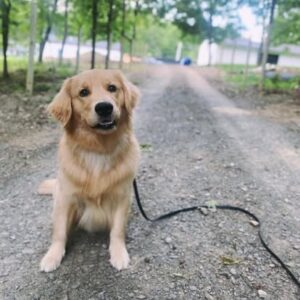
How to Stop Puppy Biting the Leash on Walks
During walks, focus on keeping control of the leash, reducing excitement, and rewarding an alternative. Choose a response that fits your puppy’s body language and the surroundings. If a technique increases biting or distress, stop and make the situation easier.
Immediate In-Walk Responses
Pause safely. Stop in a safe spot and keep hold of the leash. Avoid pulling it back and forth. If your puppy releases easily, mark the release and reward a simple alternative, such as looking at you.
Use a practiced release or trade. Give a familiar “drop it” cue. If your puppy has not learned it yet, offer a suitable toy or food trade rather than pulling the leash from their mouth.
Move away after release. Once your puppy has let go, calmly increase distance from the distraction. Avoid turning in a way that drags your puppy while they are gripping the leash.
Take a break. Move to a quieter spot. If your puppy can comfortably respond, reward an easy cue or relaxed behavior. If they remain distressed or keep grabbing, shorten or end the outing.
There is no set number of walks that guarantees improvement. Track what triggers biting and whether your puppy can recover more easily.
Using Rewards and Redirection
Carry small treats your puppy enjoys and reward frequently before leash biting starts. Mark and reward checking in with you, walking with a loose leash, or calmly exploring nearby. Keep the task easy enough that your puppy has repeated opportunities to succeed.
The American Kennel Club’s leash-biting guidance emphasizes rewarding desired behavior before grabbing begins and offering appropriate alternatives.
Teach “drop it” with safe toys before you need it on a walk. Offer a trade, mark the release, and reward. A separate “leave it” cue can help your puppy turn away before picking something up. Practice each skill in easy settings before adding distractions.
For puppies who enjoy carrying objects, bring a suitable toy and offer it before they grab the leash. Supervise its use and choose a size and material appropriate for your puppy.
A food trade can be useful when your puppy already has the leash. It does not need to be withheld to avoid “bribery.” To reduce a grab-and-trade pattern, also reward generously before biting starts and change the conditions that repeatedly lead to it.
Adjusting the Walk
Before heading out, consider whether your puppy needs a bathroom break, rest, or a brief calming activity. A little play suits some puppies; vigorous fetch or tug may leave others more excited.
Choose quieter routes and allow time for sniffing. Our guide to mental enrichment on walks explores why outings involve more than exercise. Follow your veterinarian’s guidance on appropriate outdoor locations while vaccinations are underway.
Keep outings short enough that your puppy remains comfortable and engaged. There is no universal walk length for preventing leash biting.
Key takeaways:
- Keep your handling calm and predictable.
- Reward the behavior you want before grabbing starts.
- Adjust distance, duration, and surroundings when your puppy struggles.
Management and training work together. Progress depends on the individual puppy and the cause of the behavior.
Training Your Puppy for Better Leash Manners
Short practice sessions can begin in a comfortable indoor space before neighborhood walks. Start with attention, relaxed movement, and a few steps beside you. If you’re wondering when to start leash training your puppy, gentle introductions can begin when your puppy comes home, with outdoor exposure guided by your veterinarian.
Step-by-Step Training Plan
Practice briefly and stop while your puppy is still comfortable. A few successful repetitions may be enough. Move forward based on behavior, not a calendar.
- Introduce the equipment indoors. Fit a lightweight leash and comfortable harness or collar. Hold the leash loosely and reward relaxed standing and movement in a clear space.
- Teach attention and release skills. Reward looking toward you and practice toy trades. Introduce “drop it” as your puppy learns to release. Teach “leave it” separately.
- Take a few easy steps. Reward walking near you with the leash loose. Add steps gradually rather than waiting for a long stretch of walking.
- Add a mild distraction. Change one thing at a time, such as practicing in another room or having someone move at a distance. Make it easier if grabbing increases.
- Practice outside when appropriate. Choose a quiet location consistent with your veterinarian’s advice. Build distance and variety gradually, and return to an easier setting when needed.
Our puppy training timeline provides broader developmental context, but individual puppies progress at different rates.
Choosing Collars, Harnesses, and Leashes
The right equipment supports training but does not replace it.
| Tool | Practical use | Important limitation |
| Flat collar | Holds identification and provides a leash attachment | Pulling places pressure on the neck |
| Well-fitted harness | Provides an alternative attachment point | Fit and design matter; it does not teach loose-leash walking |
| Standard fixed-length leash | Allows supervised walking and training | Inspect it regularly and replace damaged material |
| Long line | Allows distance practice in suitable open spaces | Requires careful handling and is unsuitable near traffic or crowded paths |
Choose equipment that fits comfortably and allows secure handling. Check straps, clips, and leash material before each outing. No collar, harness, or leash guarantees that biting will stop.
For puppy leash biting, use reward-based teaching, appropriate chewing outlets, and changes to the environment. Avoid leash jerks, painful equipment, or startling the puppy to force a release. The American Veterinary Society of Animal Behavior recommends reward-based training and advises against aversive methods.
Professional Support in Albany
A qualified trainer can observe what happens before leash biting starts, review your handling, and help you practice alternatives. For fearful behavior, pain, or escalating bites, involve your veterinarian and seek someone experienced with those concerns.
Albany Off Leash K9 Training’s private puppy clicker lessons are listed for puppies eight weeks to five months old. Discuss leash-biting concerns and the program’s curriculum before enrolling.
The business also offers board-and-train programs, with One-Week and Two-Week options listed for dogs five months or older. Boarding is not necessary for every puppy who bites a leash; suitability and owner practice should be discussed first.
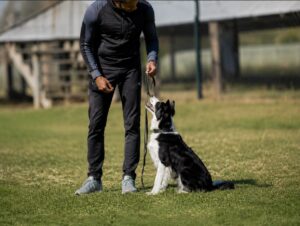
Common Puppy Leash Biting Challenges and Solutions
Even with consistent training, specific situations can interrupt progress. Use the pattern you observe to decide what to change.
Puppy Bites Harder When You Pull the Leash Away
Pulling back can turn leash grabbing into tug for some puppies or increase frustration. Pause in a safe location, keep hold of the leash without yanking, and use a practiced release cue or a trade.
Keep your hands away from your puppy’s mouth. If pausing increases distress or biting, do not wait indefinitely for the puppy to stop. Make the situation easier and seek help if handling is becoming unsafe.
Puppy Only Bites the Leash Around Other Dogs or People
Excitement, frustration, fear, or uncertainty may contribute. Do not assume that grabbing the leash means your puppy wants to greet.
- Increase distance from the person or dog before biting starts.
- Reward checking in or calmly watching from a comfortable distance.
- Allow your puppy to move away instead of requiring an interaction.
- Arrange greetings only when appropriate for both dogs, with attention to health, body language, and handler guidance.
Socialization includes comfortable observation and does not require greeting every person or dog.
Puppy Chews Through Leashes or Swallows Pieces
Inspect the leash regularly and replace it if it is frayed, damaged, or missing material. Swallowed fabric or string-like pieces can cause serious digestive injury. Cornell’s veterinary guidance on foreign-body obstruction explains why these materials can be dangerous.
If you know or suspect your puppy swallowed leash material, contact your veterinarian or an emergency veterinary hospital promptly, even if your puppy seems well. Do not wait for symptoms or assume only large pieces matter. Do not induce vomiting or pull visible string unless a veterinarian directs you.
Supervise leash use, store equipment out of reach, and provide appropriate chewing alternatives. A different leash material does not replace training and supervision.
Puppy Seems Anxious or Overwhelmed During Walks
Not all leash biting is playful. A tucked tail, crouching, repeated attempts to retreat, scanning, or stopping may indicate discomfort. Panting and lip licking have several possible causes, so consider the full context rather than diagnosing anxiety from one sign.
Move to a quieter location, increase distance from the trigger, or end the outing. Offer food if your puppy can comfortably take it, but do not use it to lure them toward something frightening.
Seek help promptly if distress is intense, handling causes escalating bites, or the behavior changes suddenly. You do not need to wait several weeks before contacting your veterinarian or a qualified behavior professional.
Conclusion and Next Steps
Puppy leash biting can involve play, discomfort, frustration, stress, or a learned interaction with the handler. Notice the pattern, make walks manageable, and reward the behavior you want before biting starts. Progress varies, and persistent or escalating problems deserve individual help.
Your next steps:
- Reward a few easy steps with a loose leash before grabbing starts.
- Practice attention and toy trades in a quiet indoor space.
- Inspect equipment and shorten or simplify outings when needed.
- Contact your veterinarian for pain, suspected ingestion, or sudden changes, and seek training help for persistent handling difficulties.
For local program questions, call (518) 788-9487 or contact Albany Off Leash K9 Training. For broader puppy routines, see our puppy training checklist.
Frequently Asked Questions
Is it normal for my 10-week-old puppy to constantly bite the leash?
Leash grabbing can happen at 10 weeks as puppies explore and play, but adult-tooth replacement usually starts later, around three to four months. Reward walking without biting and use gentle trades when needed. Ask your veterinarian about painful chewing, eating changes, or persistent distress.
Should I use punishment or a shock collar to stop leash biting?
No. Use reward-based practice, appropriate chewing outlets, and changes to the walk rather than shock, leash jerks, or painful corrections. If biting escalates or causes injury, seek veterinary and qualified behavior guidance.
How long does it usually take to stop puppy leash biting?
There is no fixed timeline. Progress depends on the cause, your puppy’s comfort and development, the environment, and repeated practice. Our guide to dog training timelines explains why a program or practice schedule should not be treated as a deadline.
Can leash biting turn into aggression later?
Leash biting alone does not establish aggression or predict how a puppy will behave later. Increasing bite intensity, guarding, repeated freezing, or injuries warrant individual assessment. Seek help based on what is happening now rather than assuming your puppy is simply testing boundaries.
Do you offer help with puppy leash biting at Albany Off Leash K9 Training?
Albany Off Leash K9 Training offers private puppy clicker lessons for puppies eight weeks to five months old. Contact the team to discuss leash biting, the curriculum, and whether the program fits your puppy. Boarding eligibility and suitability should be confirmed separately.