
Key Takeaways
- Puppy biting is normal behavior, especially from 8–20 weeks, but gentle, consistent puppy biting training helps it fade instead of becoming a habit.
- To stop puppy biting, immediately redirect your puppy to a chew toy, pause play when teeth touch human skin, and reward calm choices.
- Bite inhibition teaches a puppy to control bite pressure. It is not just about “never bite,” but learning to mouth gently.
- All family members should use the same lesson every time, so the puppy understands what behavior works.
- Frequent, hard, or scary biting around family members is a good reason to contact a qualified professional.
Introduction: Why Puppies Bite and How Puppy Biting Training Helps
Bringing a new puppy home is exciting, but the biting can feel overwhelming. One moment your puppy is playful and sweet, and the next your hands, sleeves, or ankles are being nipped.
Puppies bite because they are teething, playing, exploring, excited, frustrated, or overtired. Puppy biting training isn’t about punishing a “bad” dog but guiding natural mouthing into safer, gentler habits.
The biting phase usually lasts 3 to 6 months. Most puppies improve by 5–6 months with patient training, enough rest, and consistent rules.
Why Puppies Bite, Nip, and Mouth
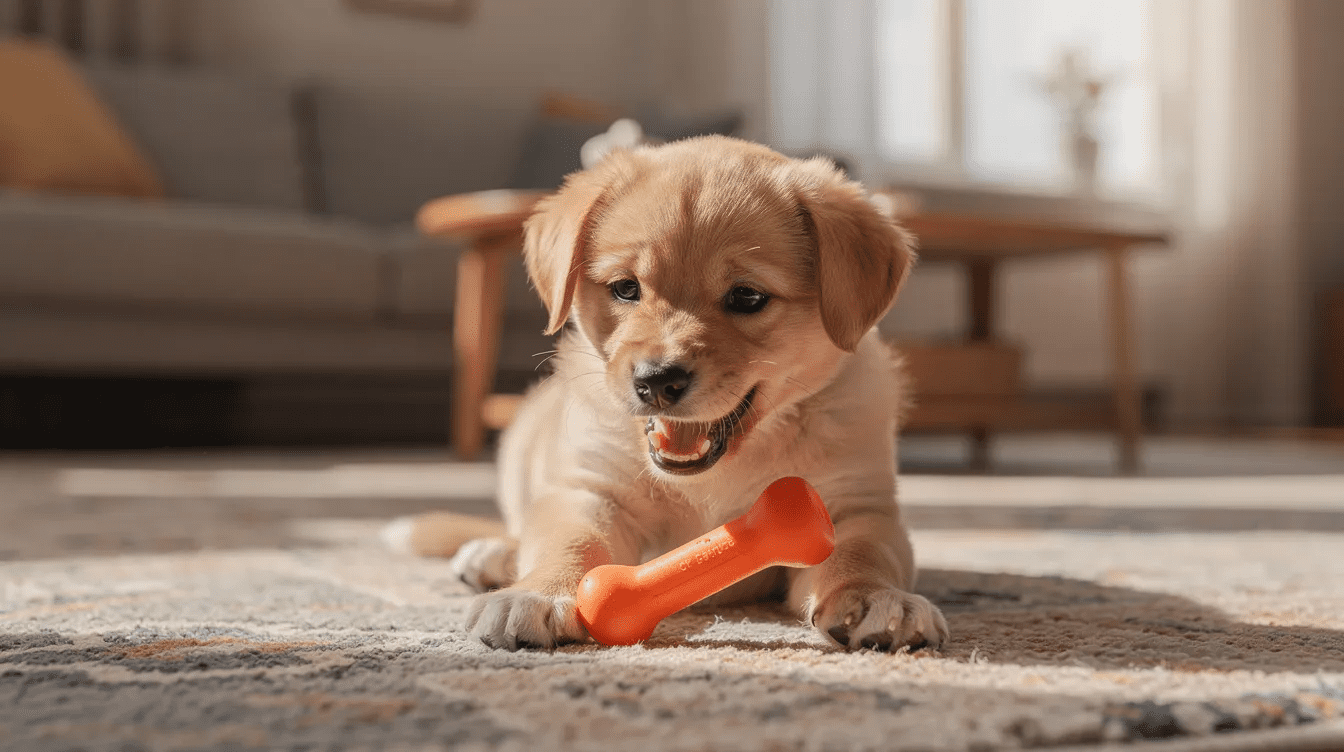
Puppy biting is normal and not a sign of dominance or defiance. Puppies explore the world with their mouths since they don’t have hands. They bite to learn about their environment and test boundaries.
Common reasons puppies bite include:
- Play biting during fun and excitement
- Sore gums during teething
- Boredom or lack of mental stimulation
- Being overtired or overstimulated
- Repeated excitement, especially in the evening “witching hour”
- Frustration that looks like a puppy temper tantrum
Watch your puppy’s body language. Loose, wiggly movements usually mean playful mouthing. Stiff posture, hard stares, growling, or guarding suggest fear or stress and need attention.
Understanding Bite Inhibition and Why It Matters
Bite inhibition means teaching your puppy how gently to use their teeth on people and other dogs. It’s a vital safety skill, not just a trick.
Puppies learn bite inhibition by playing with their littermates, who give feedback like yelps when bites are too hard. This helps puppies control their bite strength as they grow.
The goal isn’t to stop all mouthing but to ensure gentle contact if teeth touch skin. Teaching bite inhibition early, before 6–7 months, is easier and helps prevent biting problems later.
Training includes redirecting chewing urges and guiding bite pressure. Proper puppy biting training also reduces risks of aggression from fear or frustration.
For more on normal mouthing, see the ASPCA’s puppy mouthing guide.
Step-by-Step Puppy Biting Training at Home
Follow this daily routine:
- Notice when biting begins.
- Redirect to a chew toy immediately.
- Use “Game Over” to stop play if teeth touch skin.
- Reward calm, gentle behavior.
- Use brief time-outs if the puppy is too excited.
Consistency is key. The best methods include “Game Over,” quick toy redirection, and short reverse time-outs.
Keep training sessions short (1–3 minutes) and practice during everyday play.
1. Redirect Play Biting to Toys
If your puppy bites hands or clothes, stop moving, gently withdraw your hand, and offer a toy.
Use durable rope toys or plushies during play. Keep 2–3 toys handy and rotate them to keep interest high.
Praise your puppy when they choose toys over skin and reward with treats when they release your hand.
2. Use “Game Over” When Teeth Touch Skin
If teeth contact skin, calmly say “oops” or “too bad,” stand up, and turn away to stop play for 10–30 seconds.
This pause teaches that hard biting ends the fun.
Avoid grabbing or punishing the puppy’s mouth. After the break, resume gentle play.
3. Reward Calm Behavior Before Biting
Praise and reward your puppy for calm actions like lying down, chewing toys, sitting, or approaching without nipping.
This encourages gentle behavior by rewarding good choices early.
4. Teach Gentle Mouth and Drop Cues
Play a “gentle” game by holding a treat in a closed fist and opening it only when the puppy sniffs or licks without biting.
Teach “drop it” by trading toys for treats, helping with tug games and controlling overexcitement.
Keep sessions short to build positive habits.
5. Use Time-Outs for Over-Excited Puppies
If your puppy won’t settle, calmly guide them to a crate or quiet space for 1–3 minutes to reset.
Time-outs aren’t punishment but a chance to calm down.
Keep a leash on during supervised indoor play if needed to guide behavior gently. Never leave a leash on unsupervised.
Setting Your Puppy Up for Success
Preventing excessive biting starts with a consistent daily routine that offers plenty of play, exploration, and exercise. This keeps your puppy engaged and less likely to bite out of boredom.
A simple daily schedule might include:
- Potty break
- Short play session
- Brief training
- Chew time
- Nap
Remember, a tired puppy bites less because overtired pups lose impulse control.
Exercise, Play, and Mental Stimulation
Adequate physical activity is vital. Age-appropriate exercise like short walks, sniffing games, fetch, gentle chase, and tug-of-war help reduce biting. For older puppies cleared by a vet, longer walks or jogging provide needed stimulation.
Mental challenges are equally important. Puzzle feeders, snuffle mats, and simple obedience cues like “sit” and “down” tire your puppy’s brain and curb biting caused by excess energy.
Sleep, Breaks, and Managing Over-Tiredness
Puppies under five months need 16–20 hours of sleep daily. Without enough rest, they become more mouthy and harder to redirect. Use a crate, playpen, or gated area for quiet time after exercise or training to protect nap time and calm the household.
Common Mistakes That Make Puppy Biting Worse
Even well-meaning dog owners can unintentionally encourage biting. Avoid these errors:
Rough Play and Using Hands as Toys
Wiggling hands, wrestling, or pushing a puppy away can teach them that skin is part of play. Instead, use toys for all biting games, stop play when teeth touch skin, and resume only when the puppy calms down. Redirect rough play into toy play, setting clear rules: teeth on toys only.
Yelling, Smacking, or Harsh Corrections
Physical punishment can cause fear or escalate biting into aggression. Loud reactions may excite the puppy more, increasing biting. Use calm consequences like “Game Over,” toy redirection, brief time-outs, and consistent cues to guide behavior.
Inconsistent Rules Among Family Members
Puppies get confused if some people allow biting and others don’t. Establish house rules everyone follows:
- No teeth on skin
- No tugging clothes
- Toys are for biting
- Consistent verbal cues
- Visitors follow the same rules
A family meeting helps ensure everyone is on the same page, especially with children.
When Puppy Biting Might Be More Than Normal Play
Most biting is normal, but watch for warning signs:
- Hard bites breaking skin
- Stiff body or hard stare
- Growling when approached
- Guarding food, toys, or space
- Sudden changes in biting behavior
- Biting when touched near sensitive areas
Pain, illness, or injury can alter behavior. A vet check is recommended if biting worsens suddenly. Don’t label your puppy as mean; strong bites are signals that require attention.
Getting Extra Help: Puppy Classes and Professional Training
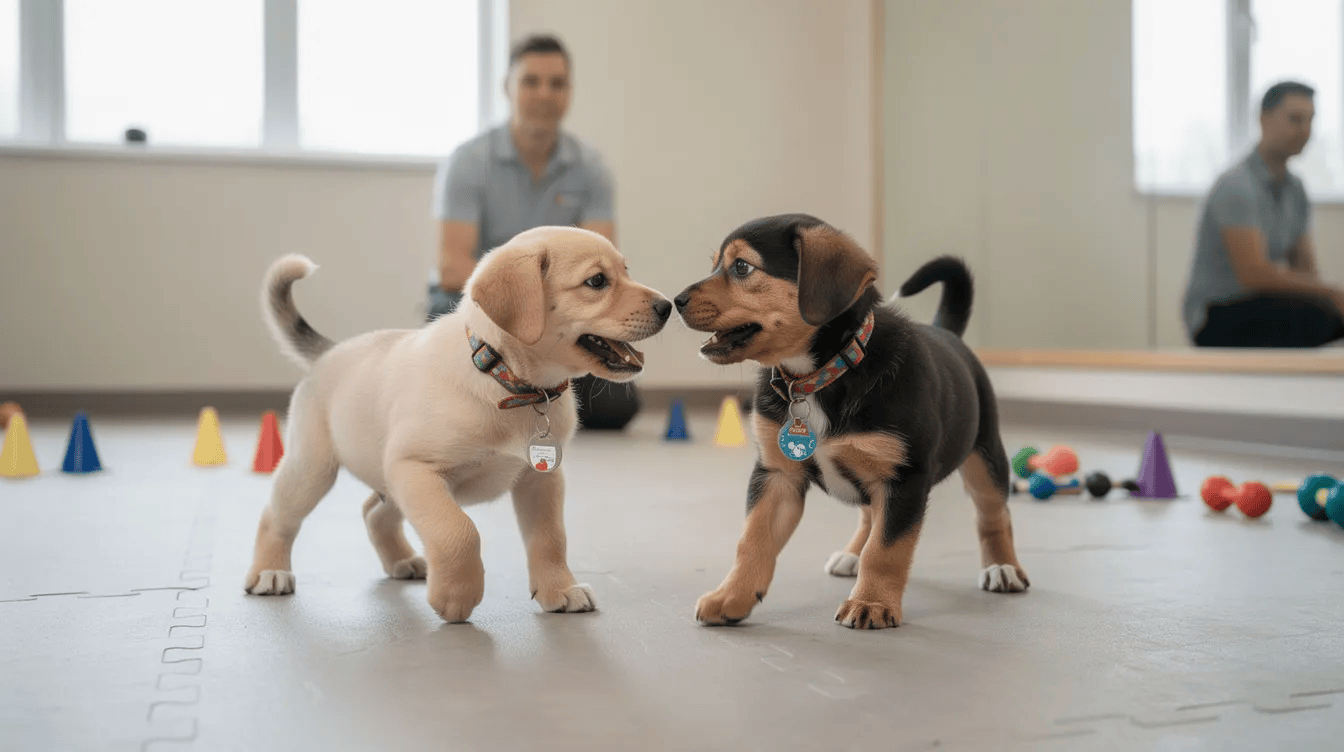
Puppy classes provide socialization and teach bite inhibition through controlled play with vaccinated dogs. If biting is intense, frequent, or linked to guarding, professional training can help. Trainers assess body language, identify triggers, and tailor plans to your puppy’s needs.
Seeking help early is a smart step toward stopping biting safely and building a well-mannered dog.
Frequently Asked Questions About Puppy Biting
These quick answers cover common puppy biting training questions to help you understand and manage your puppy’s behavior effectively.
How long does the puppy biting stage usually last?
Most puppies begin biting intensely around 8–10 weeks and gradually improve between 4–6 months as they develop bite inhibition. While some puppies may test with their teeth until close to their first birthday, the biting should become softer and less frequent over time. Persistent hard or frequent biting beyond 6–7 months may indicate a need for professional dog training or behavioral consultation.
Is it safe to let my children play with a puppy that bites?
Yes, but only with close adult supervision and clear rules. Children should engage in calm, structured activities like tossing tug toys, practicing basic commands such as “sit,” or helping with treat rewards. Avoid allowing children to chase the puppy, initiate rough play, or play tug-of-war until the puppy reliably demonstrates bite control. Teaching children to recognize the puppy’s body language also helps prevent accidental over-stimulation.
What should I do if my puppy bites my older dog?
Puppies often use nipping and puppy grabs to initiate play with older dogs. Adult dogs usually give warnings such as growling, moving away, or snapping softly to communicate when the play is too rough. Provide the older dog with safe escape spaces and consider using gates or pens to separate them when needed. Intervene if the older dog appears stressed or trapped, and consistently redirect the puppy to appropriate chew toys or play activities to reduce unwanted behavior.
Why does my puppy bite more at night?
Nighttime biting often occurs because puppies become overly excited, tired, or overstimulated during the evening “witching hour.” Establish a calm evening routine that includes a potty break, a gentle sniff walk, quiet play with chew toys or a tug toy, and then a restful sleep environment. Avoid overly vigorous games or repeated bouts of excitement close to bedtime to help your puppy settle and reduce biting.
Should I stop all tug games if my puppy bites?
No, playing tug can be a great idea for channeling biting energy safely if you set clear boundaries. Teach your puppy to play tug safely by ensuring teeth stay on the tug toy, not on skin or clothing. If teeth touch skin, immediately stop the game, use negative punishment by pausing play, and only resume once the puppy calms down. Teaching the “drop it” or “puppy releases” cue during tug helps improve impulse control and prevents unwanted behavior from escalating.
Ready to Start Your Puppy Biting Training?
If your puppy’s biting feels overwhelming, remember that with patience and consistent training, you can guide your puppy toward gentle play and good manners. Start applying these simple steps today to build a strong, trusting bond with your furry friend.
If biting becomes intense, frequent, or hard to manage, don’t hesitate to reach out to a professional dog trainer for personalized support. Your puppy’s happy, safe future starts with the right guidance now!