
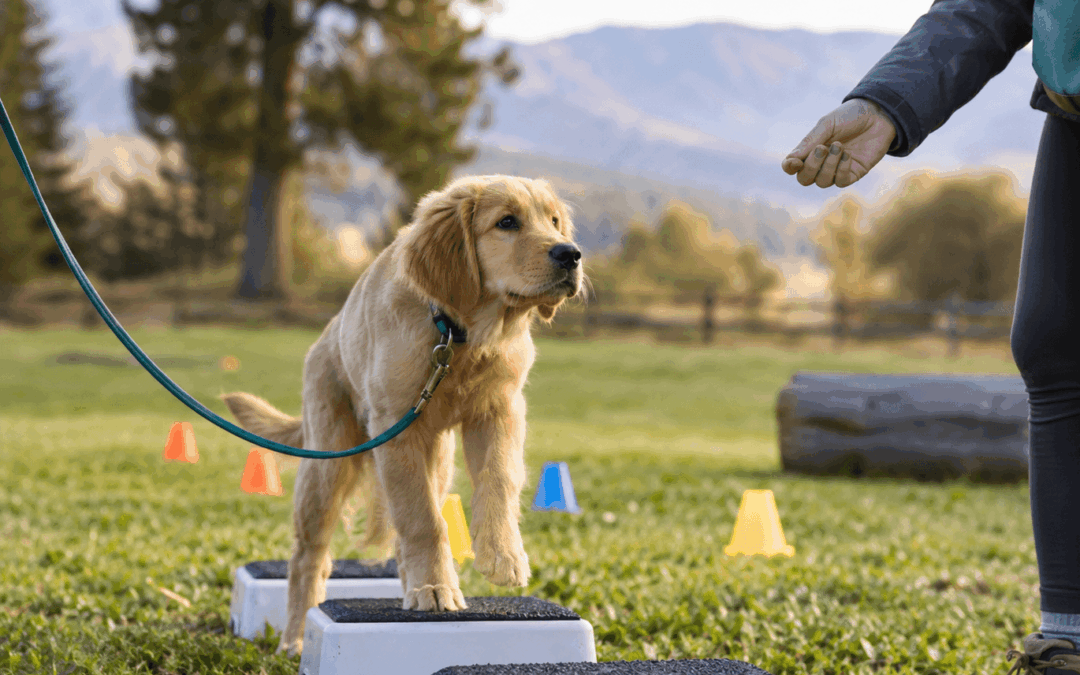
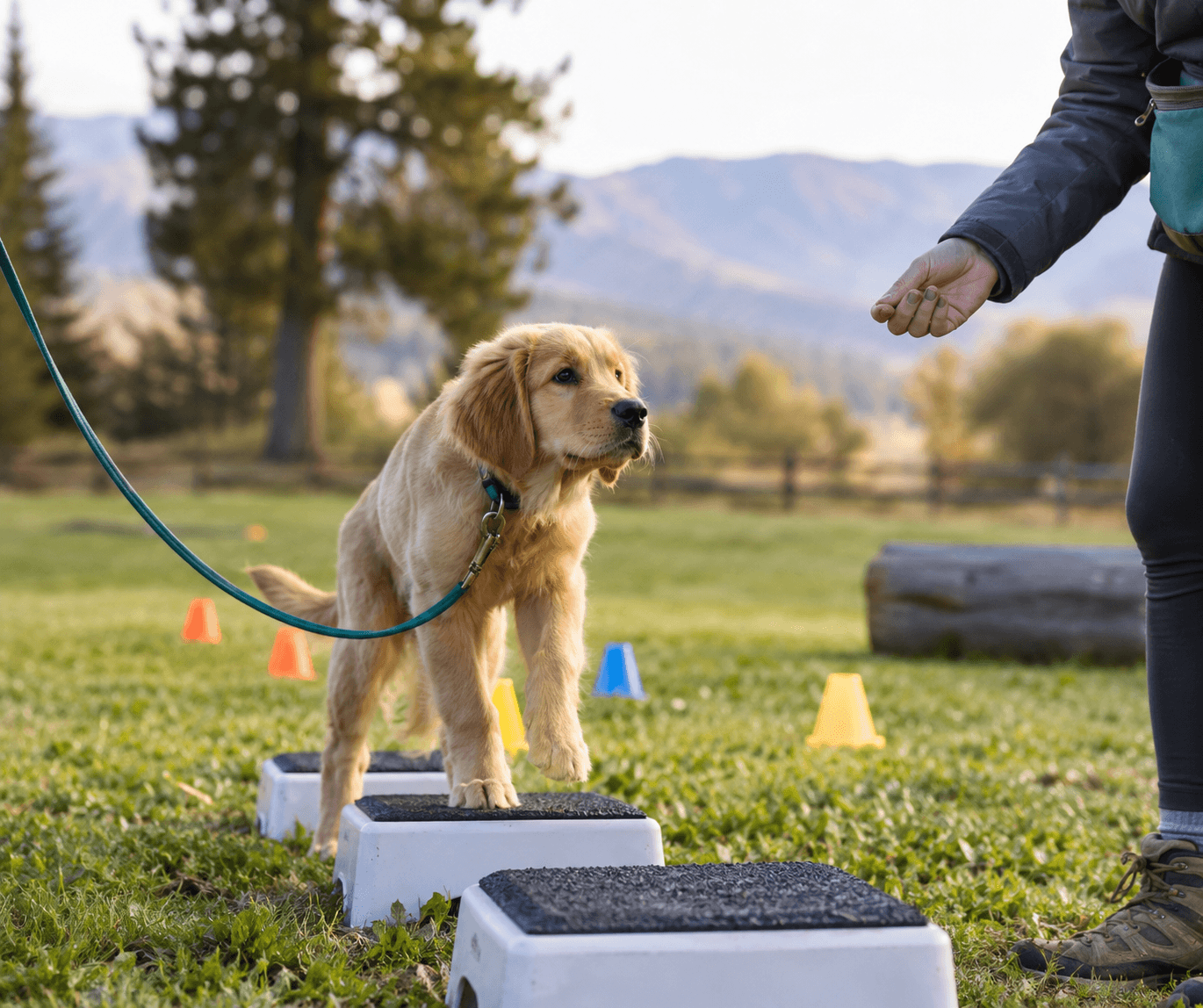
Proofing dog training is an important step in helping basic obedience become more reliable across different environments. Your dog may sit perfectly in your living room, but if that same cue falls apart the moment a squirrel darts across the path or another dog approaches at the park, the behavior may not yet be well generalized. Proofing helps bridge that gap by systematically practicing and reinforcing learned behaviors under increasingly challenging conditions.
This guide covers how to apply the Three Ds framework—distance, duration, and distraction—how to structure the process from controlled settings to real-life scenarios, and how to troubleshoot common setbacks. It does not focus on initial cue teaching or basic puppy socialization; this content is designed for owners whose dogs already understand foundational behaviors but struggle with consistency outside the home. Whether your dog ignores a recall cue at the park or breaks a stay when someone rings the doorbell, additional proofing may help.
Proofing means practicing learned behaviors across different environments, at varying distances, for appropriate durations, and around gradually increasing distractions to help your dog respond more reliably when it matters.
Here’s what you’ll gain from this guide:
- A clear understanding of the Three Ds framework and how each variable affects your dog’s performance
- A step-by-step proofing methodology you can start implementing today
- Practical solutions for the most common proofing challenges owners face
- Factors to consider before practicing off-leash skills in appropriate settings
- Insight into evidence and considerations surrounding different training methods
Understanding Proofing in Dog Training
Proofing is the process of helping learned behaviors generalize across different contexts and conditions so your dog can respond more consistently in new situations. Dogs do not always generalize a learned behavior automatically—a sit practiced in your kitchen may be much harder on a busy sidewalk. New smells, sounds, surfaces, people, animals, and movement can all change the difficulty of the behavior.
This is one reason a dog may perform a familiar behavior well at home but struggle in a new setting. The problem is not necessarily defiance or stubbornness; the new environment may simply make the behavior more difficult. Proofing helps by deliberately varying location, distance, duration, and distractions so the dog gets repeated opportunities to respond to the same cue under different conditions.
The Three Ds Framework
A common framework for proofing involves adjusting three main variables: duration, distance, and distraction. Often called the Three Ds of dog training, each variable can increase the difficulty of a behavior. Working on them separately at first can make it easier for your dog to succeed before you begin combining them.
Distance involves gradually increasing how far a trainer is from the dog during a behavior. At the beginning, your dog might respond when you’re standing two feet away. Proofing distance might eventually involve asking for the same behavior from across the yard, down the hall, or farther away while using appropriate leash or long-line management.
Duration involves increasing the length of time a dog maintains a behavior. A two-second sit or stay is easier than maintaining the behavior for a longer period while normal activity occurs nearby. Building duration can strengthen place training, sit-stay, down-stay, and similar behaviors in practical settings.
Distraction means adding elements that challenge your dog’s focus, such as noise, movement, other dogs, food, wildlife, or people. Start with mild distractions and gradually increase their intensity. A behavior that works well in a quiet house may require additional practice before it becomes consistent in a stimulating environment.
Real-world situations may involve one or more of these variables at the same time. A recall at the park, for example, may involve significant distance and distractions, while a stay may add a substantial duration requirement. Practicing each variable separately before combining them can make advanced exercises easier for your dog to understand.
Environmental Generalization
Generalization in dog training improves through practice in varied environments and contexts. Training in different locations helps your dog learn that the same cue can apply beyond the original training setting. This is the difference between practicing a behavior in one familiar place and building more flexible responses across environments.
For example, after your dog learns to sit in the kitchen, you can practice the same cue in another room, the yard, a friend’s home, and gradually in more distracting dog-friendly settings. When you move to a new environment, temporarily making the exercise easier can help your dog succeed before you increase the difficulty again.
With these foundational concepts clear, the next step is understanding how to structure the proofing process from controlled environments to more unpredictable real-world situations.
The Systematic Proofing Process
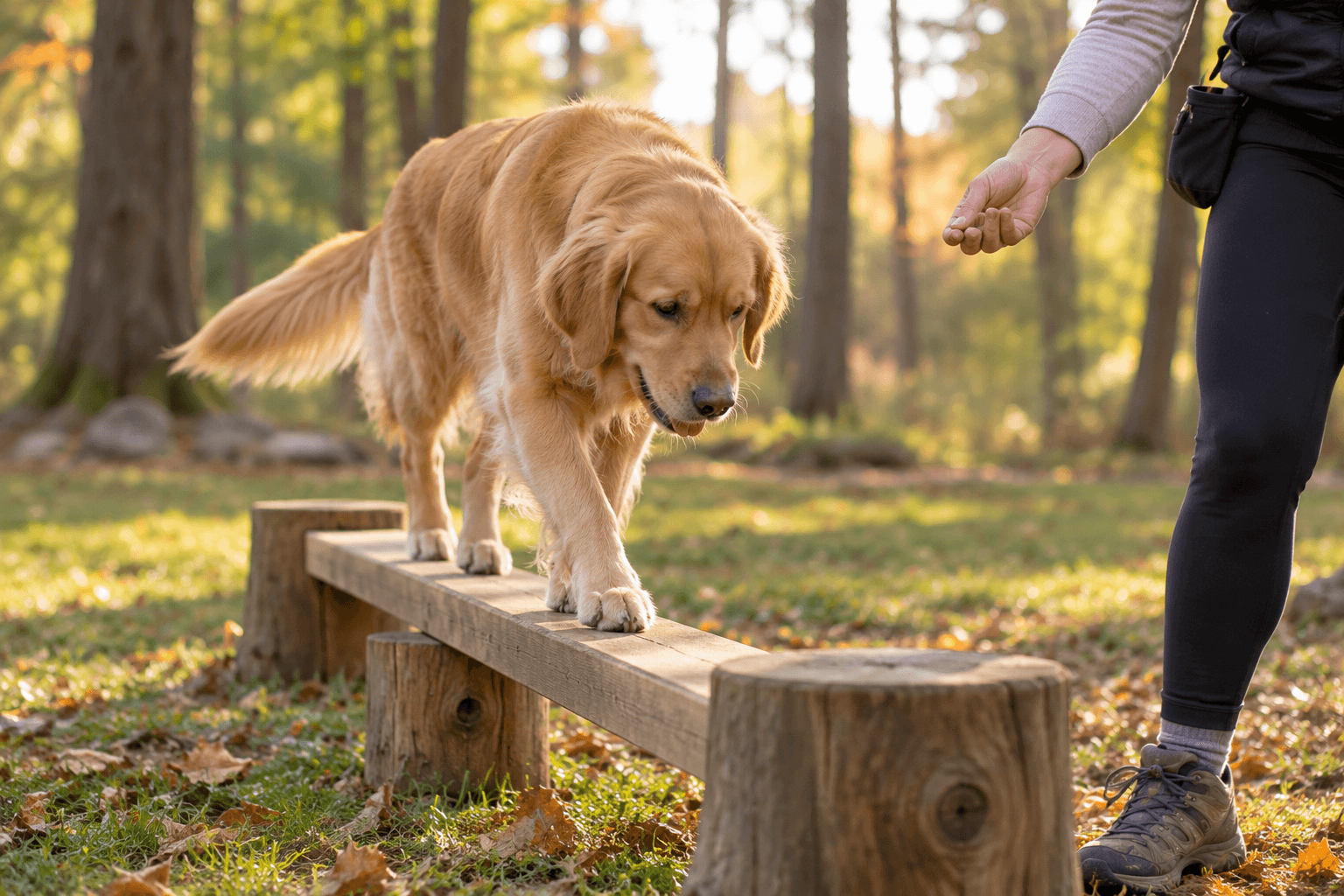
Now that you understand why proofing matters and what variables are involved, you can break the process into manageable phases. Proofing should be systematic and gradual to avoid making the exercise unnecessarily difficult. A useful principle is to change one major variable at a time before combining multiple challenges.
Phase 1: Controlled Environment Testing
Start proofing in quiet places before adding significant distractions. Your home, a familiar room, or a secure yard can provide controlled training environments where your dog is already comfortable.
Begin by establishing a baseline. Can your dog perform the target behavior—sit, down, recall, or place—consistently in a familiar, low-distraction setting? If the behavior is still inconsistent there, strengthen the foundation before making the exercise significantly harder. Your dog does not need perfection, but the basic behavior should be familiar enough that increasing one variable at a time is reasonable.
In this phase, start proofing by adjusting one variable at a time. For example, if you’re working on a stay, gradually increase duration while remaining nearby in the same calm environment. In another session, return to a shorter duration and increase your distance by a few steps at a time. Keep sessions short enough that your dog remains engaged.
Phase 2: Gradual Distraction Introduction
Once your dog performs familiar behaviors consistently with increased distance or duration in controlled settings, begin introducing mild distractions. Moving immediately from a quiet room to an extremely distracting environment can make the exercise unnecessarily difficult.
Begin with manageable distractions. Place a toy on the ground while your dog holds a stay. Have a family member walk through the room. Practice while food is present at a reasonable distance. Impulse control games for dogs can also help your dog practice responding when something interesting is nearby.
Progressive difficulty matters here. If your dog repeatedly breaks the behavior, the exercise may be too difficult. Reduce the intensity or distance of the distraction, reinforce successful responses, and increase the challenge again gradually. Look for consistent success across repeated attempts before advancing. Use rewards your dog genuinely values, such as food, toys, praise, or play.
Recognizing when to advance or step back is an important training skill. If your dog can remain in a sit while you move around but struggles when another person enters the room, reduce the difficulty until your dog can respond successfully again.
Phase 3: Real-World Application
The next phase involves practicing familiar behaviors in increasingly realistic settings. Move systematically from a quiet yard or driveway to calm neighborhood areas and then to more distracting dog-friendly locations where training is permitted.
Controlled exposure helps you manage the difficulty. Start with a leash or long line so you can prevent unsafe choices if your dog becomes distracted. Practice familiar behaviors in each new environment and reinforce successful responses. Do not assume that a recall practiced successfully in the yard will immediately work the same way near children, dogs, wildlife, traffic, or other significant distractions.
Before considering off-leash practice, look for consistent recall and responsiveness across multiple appropriate environments and distraction levels. Your dog should also be manageable around common distractions and able to maintain familiar behaviors without repeated prompting. A reliable loose-leash walk or heel is another useful indicator of responsiveness around distractions.
Even a well-trained dog is not guaranteed to respond every time, so off-leash activity should occur only where it is legal, appropriate, and safe. A fenced area or long line remains the safer choice when reliability is uncertain.
These real-world practice sessions can support advanced obedience, recall, hiking skills, and more reliable behavior around everyday distractions.
Advanced Proofing Techniques and Implementation
With the foundational phases covered, advanced proofing involves more deliberate progression and practice around combinations of distance, duration, and distraction.
Systematic Proofing Protocol
Use a structured protocol when you want measurable progress, particularly for important behaviors such as recall or when working toward more advanced obedience. Here’s a step-by-step approach:
- Baseline assessment in a familiar environment: Test the target behavior in a quiet setting and note how consistently your dog responds.
- Single-variable practice: Increase one variable at a time. Build duration, distance, or mild distractions gradually while keeping the other factors manageable.
- Two-variable combinations: Once your dog is consistently successful, combine two variables—for example, distance plus duration or duration plus a mild distraction.
- Three-variable practice: Gradually combine duration, distance, and distraction when they are relevant to the behavior. Adjust the exercise if your dog begins struggling.
- Real-world practice: Work in progressively more distracting, dog-friendly environments while using appropriate leash or long-line management. Off-leash training should occur only where it is legal and safe.
Proofing requires consistent practice over time rather than long sessions. Short, focused training opportunities throughout the week can help you gradually strengthen behavior without overwhelming your dog.
Training Method Considerations
A 2020 study published in Frontiers in Veterinary Science compared three groups involving 63 dogs with off-leash behavioral concerns: dogs trained with electronic collars by manufacturer-nominated trainers, dogs trained by the same trainers without electronic stimulation, and dogs trained by independent professionals using a reward-focused approach.
The reward-focused group performed significantly better on several measures, including responding after a single instruction and response latency for “come” and “sit.” The researchers concluded that the study did not demonstrate a benefit from using electronic collars for the targeted training problems.
The study should not be interpreted as establishing a universal success rate, training timeline, stress level, or long-term reliability for every training method. It evaluated specific dogs, trainers, behaviors, and conditions.
Current guidance from the American Veterinary Society of Animal Behavior on humane dog training recommends reward-based methods for dog training and behavior modification and advises against aversive tools, including electronic collars. For proofing, the practical takeaway is to increase difficulty gradually, reinforce desired responses, manage the environment appropriately, and avoid overwhelming the dog.
Albany-area dog owners considering professional help can also explore Board and Train programs in Albany. The current program information describes structured obedience work and practice around real-world distractions and public settings. Owners should compare program format, training methods, their dog’s individual needs, and the amount of owner follow-through required after training.
Common Proofing Challenges and Solutions
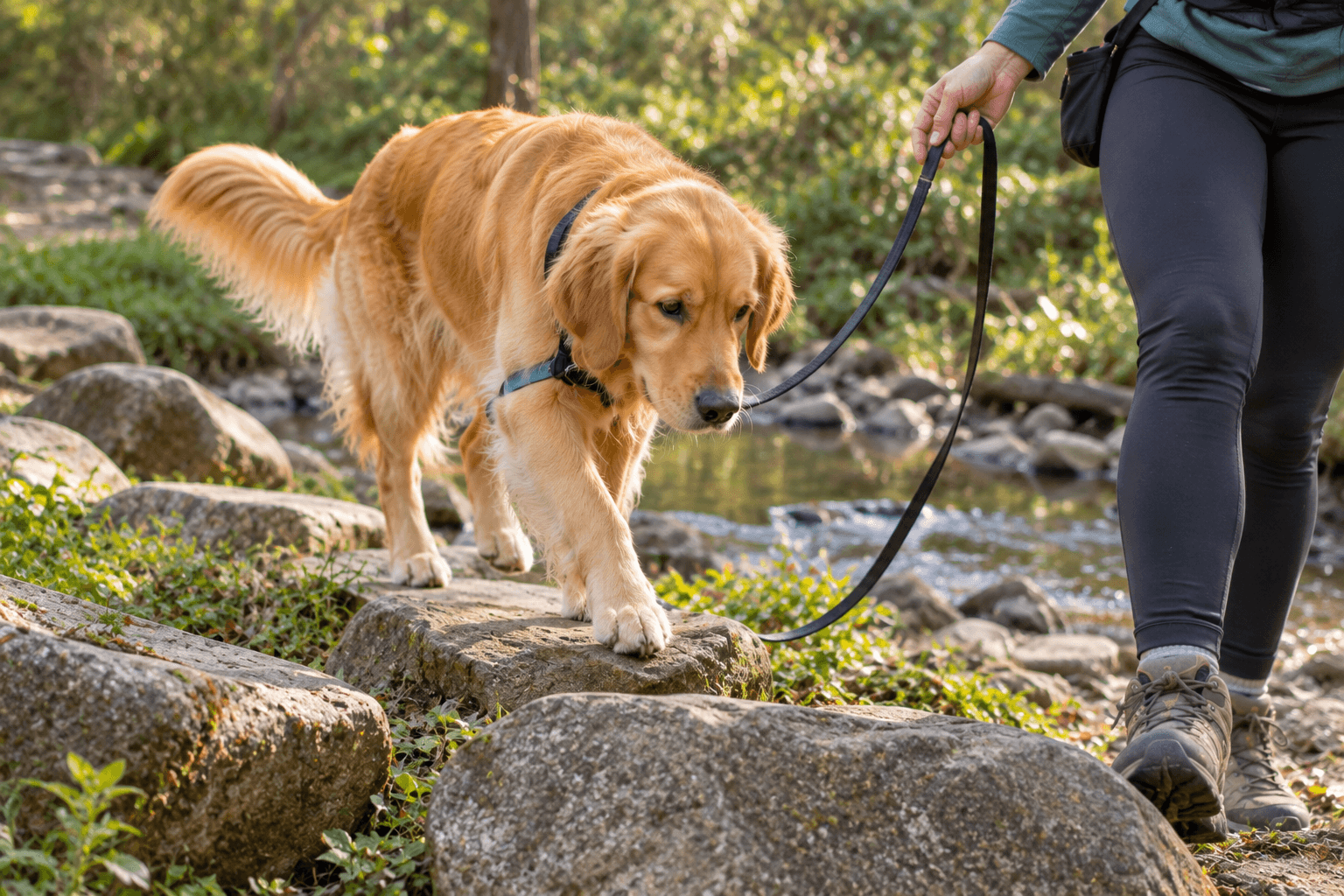
Even with a solid plan, proofing rarely progresses perfectly. Here are several common obstacles and ways to address them.
Dog Shuts Down Under Pressure
When a dog freezes, avoids interaction, or stops engaging during a training exercise, the current situation may be too difficult or stressful. Reduce the criteria and return to an easier scenario where your dog can respond successfully.
High levels of stress can interfere with learning and engagement, so give your dog enough distance or recovery time before increasing the challenge again. If shutdown behavior is persistent or severe, consider professional behavioral or veterinary guidance.
Selective Listening in High-Distraction Environments
Your dog may respond consistently at home but struggle at the park. This often means the new environment is more difficult than the setting where the behavior was learned.
Use controlled practice with a long line, beginning far enough from distractions that your dog can still respond. Reward successful responses and gradually decrease distance as your dog demonstrates consistent focus. Using a higher-value reward can help when environmental distractions are especially motivating. Additional recall training around distractions can help you build the behavior progressively.
Regression After Initial Success
You may have several successful sessions followed by a day when your dog seems much less responsive. Avoid assuming that one difficult session means the training has failed. Reliability requires continued practice and occasional review.
Return to a slightly easier version of the exercise, re-establish successful responses, and work forward again. Proofing is not a one-time event; learned behaviors often benefit from continued reinforcement and practice as environments and circumstances change.
Owner Inconsistency Undermining Progress
Different family members using different cues, criteria, or rules can make it more difficult for a dog to understand what is expected. If one person uses one word for a behavior while another uses a different cue or rewards different responses, progress may become inconsistent.
Establish clear criteria that everyone in the household follows. Use the same cue words and release cues, and agree on what behavior earns reinforcement. A simple written training plan can help keep household members consistent. Understanding how long dog training takes can also help everyone maintain realistic expectations about progression and consistency.
When challenges continue despite consistent practice, professional guidance can help identify where the difficulty is occurring and how the training plan should be adjusted.
Conclusion and Next Steps
Proofing helps turn familiar behaviors into skills your dog can perform more consistently across different situations. Through systematic practice with duration, distance, and distraction, you give your dog opportunities to respond successfully outside the environment where the behavior was first taught.
The key takeaway is that proofing is not a single training session or a one-week project. It is an ongoing process of gradually expanding the conditions under which your dog can respond. Done well, proofing can improve your dog’s reliability at home, on walks, and in appropriate dog-friendly environments. Off-leash activity should still be limited to places where it is legal and safe.
Here’s how to start:
- Assess your current baseline: Pick one behavior, such as sit, recall, or place, and practice it in several appropriate environments. Note where your dog succeeds and where the exercise becomes difficult.
- Choose one variable to proof first: If distance is the weak point, start there while keeping distractions low and duration manageable.
- Practice in short sessions: Use brief training opportunities across different appropriate locations rather than relying on occasional marathon sessions.
- Track your progress: Look for consistent success before substantially increasing the next variable.
- Seek professional support when needed: If progress has stalled or you are working toward advanced obedience, a qualified professional can help you adjust the training plan and practice safely.
Related topics worth exploring include the Leave It command for impulse control, recall around distractions, loose-leash walking, and Place command training. Each gives you additional opportunities to apply the same gradual proofing principles covered in this guide.
Frequently Asked Questions
What is proofing in dog training?
Proofing is the process of practicing learned behaviors across different environments, distances, durations, and distractions. The goal is to help your dog respond more consistently when the context or difficulty changes.
Why is proofing important for off-leash obedience?
Proofing can improve the reliability needed for advanced recall and off-leash skills by gradually increasing distance, duration, and distraction. However, training does not guarantee a response every time. Off-leash activity should only occur where it is legal and safe, and a leash or long line should be used when reliability is uncertain.
How long does proofing take?
Proofing is an ongoing process, and the timeline varies by dog, behavior, environment, training history, and distraction level. Short, consistent sessions allow you to increase difficulty gradually while monitoring how well your dog understands the behavior.
Can I proof multiple behaviors at once?
You can work on several behaviors over the course of your training routine, but when increasing difficulty for a particular behavior, focus on one major variable at a time. Once your dog succeeds consistently with duration, distance, or distraction individually, you can gradually combine them.
What should I do if my dog fails during proofing?
If your dog struggles repeatedly, reduce the difficulty by lowering the distraction level, shortening the duration, or decreasing the distance. Reinforce successful responses at an easier level before gradually increasing the challenge again.
Are professional trainers necessary for proofing?
Many owners can practice proofing on their own. A qualified professional can provide feedback, help adjust the difficulty of exercises, and develop a more individualized plan when progress stalls or distractions become difficult to manage safely.