
Why Dogs Jump on People
Jumping is one of the most common behavior complaints dog owners face. Whether it’s your dog launching onto guests at the front door or bouncing up on you after work, jumping can quickly become frustrating—and even dangerous with larger dogs.
The good news is that jumping is usually not a sign of aggression or “bad behavior.” In most cases, dogs jump because they’re excited, social, and trying to interact the only way they know how.
That’s why punishment alone rarely solves the problem long-term.
If you want lasting results, the goal shouldn’t just be stopping the jumping—it should be teaching your dog a better way to greet people.
That’s where positive reinforcement comes in.
 Why Dogs Naturally Jump
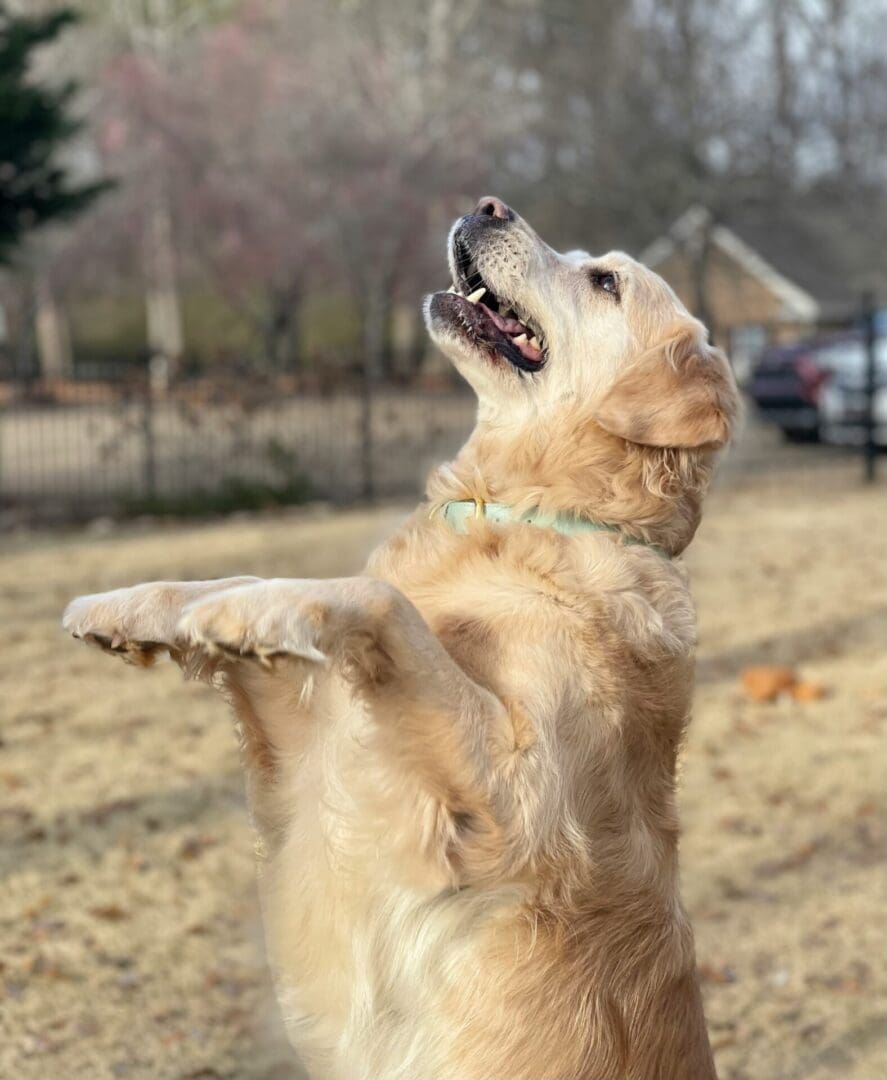
Dogs greet each other face-to-face. When your dog jumps on you, they’re often trying to:
- Get attention
- Say hello
- Engage socially
- Release excitement
Unfortunately, what feels friendly to your dog may not feel so pleasant to people.
Puppies especially learn quickly that jumping works. A puppy jumps, and humans:
- Talk to them
- Pet them
- Pick them up
- Laugh
From the puppy’s perspective:
“Jumping gets attention.”
Over time, the behavior becomes a habit.
Why Punishment Often Backfires
Many owners respond to jumping by:
- Yelling “off!”
- Kneeing the dog away
- Pushing them down
While this may interrupt the behavior temporarily, it often:
- Increases excitement
- Creates confusion
- Still gives attention
For some dogs, even negative attention is rewarding.
Others become frustrated or overstimulated, which can actually increase jumping.
The Positive Reinforcement Approach
Positive reinforcement focuses on:
- Teaching an alternative behavior
- Rewarding calm greetings
- Removing rewards for jumping
Instead of only telling your dog what not to do, you show them what to do instead.
What Gets Rewarded Gets Repeated
Dogs repeat behaviors that work.
If jumping gets:
- Attention
- Touch
- Excitement
- Interaction
…it will continue.
If calm behavior gets rewarded instead, your dog begins choosing calmness more often.
Step One: Stop Rewarding Jumping
This is the foundation.
When your dog jumps:
- Turn away
- Stay neutral
- Avoid eye contact
- Don’t talk or touch them
The goal is to remove the reward.
Even saying “no” can still feel engaging to your dog.
Step Two: Reward Four Paws on the Floor
The moment your dog:
- Stands calmly
- Sits
- Keeps all four paws down
…reward them immediately.
Rewards can include:
- Praise
- Attention
- Treats
- Petting
Timing matters. Your dog needs to clearly connect calm behavior with positive outcomes.
Teaching a Default Sit
One of the best replacement behaviors for jumping is a sit.
Before greeting:
- Ask your dog to sit
- Reward the sit calmly
- Continue rewarding while they remain seated
Over time, sitting becomes your dog’s automatic greeting behavior.
Consistency Matters More Than Intensity
One of the biggest reasons jumping persists is inconsistency.
If:
- One person allows jumping
- Another discourages it
…your dog becomes confused.
Everyone interacting with your dog should follow the same rules.
Managing Excitement Levels
Many dogs jump because they become overwhelmed with excitement.
You can help by:
- Keeping greetings calm
- Avoiding high-pitched excitement
- Not encouraging over-arousal
The calmer the interaction, the easier it is for your dog to succeed.
Practice With Familiar People First
Don’t start with highly exciting situations.
Practice calm greetings with:
- Household members
- Friends who can follow instructions
- Low-distraction environments
This builds understanding before testing it in more difficult settings.
Why Patience Is Important
Jumping is self-reinforcing and often deeply practiced.
Progress may look like:
- Shorter jumping episodes
- Faster recovery
- More moments of calm behavior
These are signs your dog is learning.
Final Thoughts
Your dog isn’t jumping to be disrespectful—they’re usually trying to connect.
By:
- Removing reinforcement for jumping
- Rewarding calm alternatives
- Staying consistent
…you can teach your dog how to greet people politely and confidently.
And the best part? You strengthen your relationship in the process instead of relying on fear or punishment.