
Bringing home a new puppy is an exciting experience filled with firsts—first walks, first toys, first naps, and plenty of adorable moments. Along with all that excitement comes an important responsibility: teaching your puppy how to successfully navigate the world around them.
One of the biggest misconceptions new dog owners have is that training can wait until their puppy is older. Many people assume they should wait until their puppy is six months old or “settles down” before introducing structure and obedience.
In reality, the opposite is true.
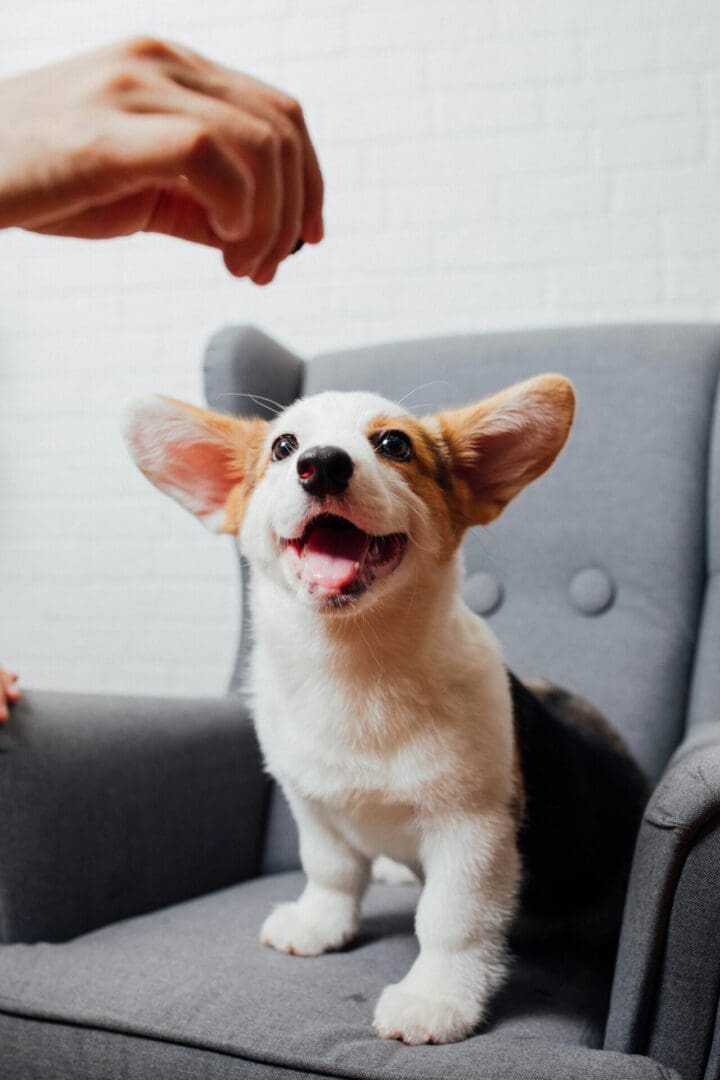 The first few months of your puppy’s life are some of the most important for learning. Puppies are constantly observing, experimenting, and forming habits. Whether you intentionally teach them or not, they’re learning from every interaction they have.
Starting training early doesn’t mean expecting perfection from an eight-week-old puppy. Instead, it means taking advantage of one of the most valuable learning periods in your dog’s life to build confidence, create good habits, and establish clear communication from the very beginning.
Puppies Begin Learning the Moment They Come Home
Many people think training begins with teaching commands like “sit” or “stay.”
In reality, training starts the moment your puppy enters your home.
From day one, your puppy is learning:
- Where they’re allowed to go
- How to interact with people
- What behaviors earn attention
- What routines to expect
- How to respond to new experiences
Every interaction teaches your puppy something.
If your puppy jumps on people and receives attention, they’re learning that jumping works.
If they chew a shoe and no one redirects them, they’re learning that shoes are acceptable chew toys.
Whether you realize it or not, your puppy is always learning.
The question isn’t whether training has started—it’s what your puppy is learning.
Early Training Prevents Bad Habits Before They Develop
It’s much easier to teach a puppy the right behavior than it is to change an unwanted behavior later.
Habits become stronger the more they’re repeated.
For example, if a puppy spends months:
- Pulling on the leash
- Jumping on guests
- Barking for attention
- Ignoring their name
those behaviors become well-practiced.
By introducing structure early, you help your puppy practice behaviors you actually want to see as they grow.
Prevention is almost always easier than correction.
Puppies Are in a Critical Learning Stage
Young puppies are incredibly curious.
They’re naturally exploring:
- New environments
- New people
- Sounds
- Objects
- Surfaces
- Experiences
This curiosity creates a wonderful opportunity for learning.
Positive, age-appropriate experiences during puppyhood help create adult dogs that are more confident and adaptable.
The goal isn’t to expose your puppy to everything all at once.
It’s to introduce new experiences gradually, safely, and positively.
Training Builds Confidence
Many people think training is only about obedience.
In reality, one of the greatest benefits of early training is confidence.
Every time your puppy successfully learns something new, they gain confidence in their ability to interact with the world.
Simple victories like:
- Learning their name
- Walking calmly beside you
- Solving a food puzzle
- Exploring a new environment
teach your puppy:
“I can do this.”
Confident puppies often grow into confident adult dogs.
Training Creates Structure
Puppies thrive on predictability.
Structure helps them understand:
- When it’s time to eat
- When it’s time to rest
- Where to go potty
- How to earn rewards
- What behaviors are expected
Clear routines reduce confusion.
When puppies know what to expect, they often become calmer and more secure.
Communication Starts Early
Training isn’t just about teaching your puppy to listen.
It’s also about learning how to communicate with each other.
Through training, your puppy begins to understand:
- Your voice
- Your body language
- Your expectations
At the same time, you become better at recognizing:
- Stress signals
- Excitement
- Fatigue
- Frustration
- Learning pace
Good communication creates a stronger relationship from the very beginning.
Early Training Makes Everyday Life Easier
Imagine your puppy learning from an early age to:
- Come when called
- Wait at doors
- Walk politely on a leash
- Settle quietly
- Greet people calmly
These aren’t just obedience skills—they’re life skills.
They make everyday activities less stressful and more enjoyable for both you and your dog.
Training Is More Than Commands
Some of the most valuable lessons puppies learn have nothing to do with formal obedience.
Early training includes:
- Patience
- Confidence
- Problem-solving
- Emotional regulation
- Focus
- Self-control
These foundational skills prepare your puppy for everything they’ll encounter later in life.
Keep Training Positive and Fun
Young puppies have short attention spans.
Training sessions should be:
- Short
- Engaging
- Reward-based
- Age-appropriate
Five minutes of focused training several times a day is often far more effective than one long session.
Celebrate small successes and remember that consistency matters more than perfection.
Every Puppy Learns at Their Own Pace
It’s easy to compare your puppy to others, but every dog develops differently.
Breed, personality, genetics, and previous experiences all influence learning.
Focus on your puppy’s progress—not someone else’s timeline.
The goal isn’t raising the “perfect” puppy overnight.
The goal is building a confident, well-adjusted dog over time.
Final Thoughts
The best time to start training your puppy isn’t after bad habits develop.
It’s the day they come home.
Early training helps puppies:
- Build confidence
- Learn good manners
- Prevent unwanted behaviors
- Strengthen their bond with you
- Develop lifelong skills
Remember, you’re not just teaching your puppy to sit or stay.
You’re teaching them how to navigate the world with confidence, trust, and understanding.
Those lessons will shape your dog’s behavior for years to come.